
It’s been over two years since I last posted anything here. But that’s not because my interest in Victorian architecture has in any way diminished. Instead, I’ve redirected my time and effort towards a number of other projects in architectural history . The biggest so far is a book that has just appeared in print,Continue reading “The Rogues that got away”
Category Archives: Goodhart-Rendel
Prolific inimitability: getting to grips with S.S. Teulon (1812-1873)

For many of the architects featured in this blog, single posts running to something in the region of 15 pages of copy is sufficient to give a reasonably comprehensive account of their careers. Further research might bring to light previously unknown works and thereby flesh out the picture, but is unlikely to yield anything thatContinue reading “Prolific inimitability: getting to grips with S.S. Teulon (1812-1873)”
From the picturesque to the sublime: Henry Darbishire and the architecture of philanthropy

The name of the architect may not stick in the memory; his greatest work most certainly will. Like many people, I learned about the Columbia Market in Bethnal Green and its tragic fate thanks to Hermione Hobhouse’s Lost London. Somewhere in my mid-teens, I discovered the book in the reference room of Kingston-upon-Thames public libraryContinue reading “From the picturesque to the sublime: Henry Darbishire and the architecture of philanthropy”
H.S. Goodhart-Rendel and the 20th century Victorians

Harry Stuart Goodhart-Rendel (1887-1959) is someone who has loomed very large in this blog. I’m aware that I’ve quoted him extensively without fully explaining who he was and why he matters so much to any student of Victorian architecture. It is now time to bring him centre-stage, even if that means straying outside the chronologicalContinue reading “H.S. Goodhart-Rendel and the 20th century Victorians”
Joseph Peacock – Rogue to the family business

This is a figure who deserves a long and detailed write-up. That he is not going to get one in this post is the result of a happy circumstance, which is that this blog is about to be supplanted – and on this occasion, by its own author. Last week I received the news fromContinue reading “Joseph Peacock – Rogue to the family business”
Robert Lewis Roumieu: progressive or prankster?

One is the former London office of a firm that produced vinegar and fortified wines. The other is a speculative development of townhouses aimed at the affluent middle classes. Fairly mundane projects typical of the 19th century, one might think; typical, indeed, of hundreds such up and down the country, brought into being by theContinue reading “Robert Lewis Roumieu: progressive or prankster?”
A house and a manifesto: E.B. Lamb’s Fawkham Manor

Word reached me at the end of last month of an exciting new addition to the National Heritage List, Historic England’s register of all the listed sites nationwide. On 26th November 2020, Fawkham Manor of 1866-1867 near Brands Hatch in northwest Kent became a Grade II-listed building. Far more than the date makes it ofContinue reading “A house and a manifesto: E.B. Lamb’s Fawkham Manor”
Multum in parvo – John Middleton and Llangynllo

There won’t be all that many posts on this blog devoted to individual buildings, but this one is so extraordinary that I have to make an exception. We first encountered Sir Thomas Lloyd (1820-1877) in connection with St Dogfael’s Church in Meline, featured in last week’s post on R.J. Withers. Though Gothic Revival, that isContinue reading “Multum in parvo – John Middleton and Llangynllo”
Quality in obscurity: the surprising career of R.J. Withers
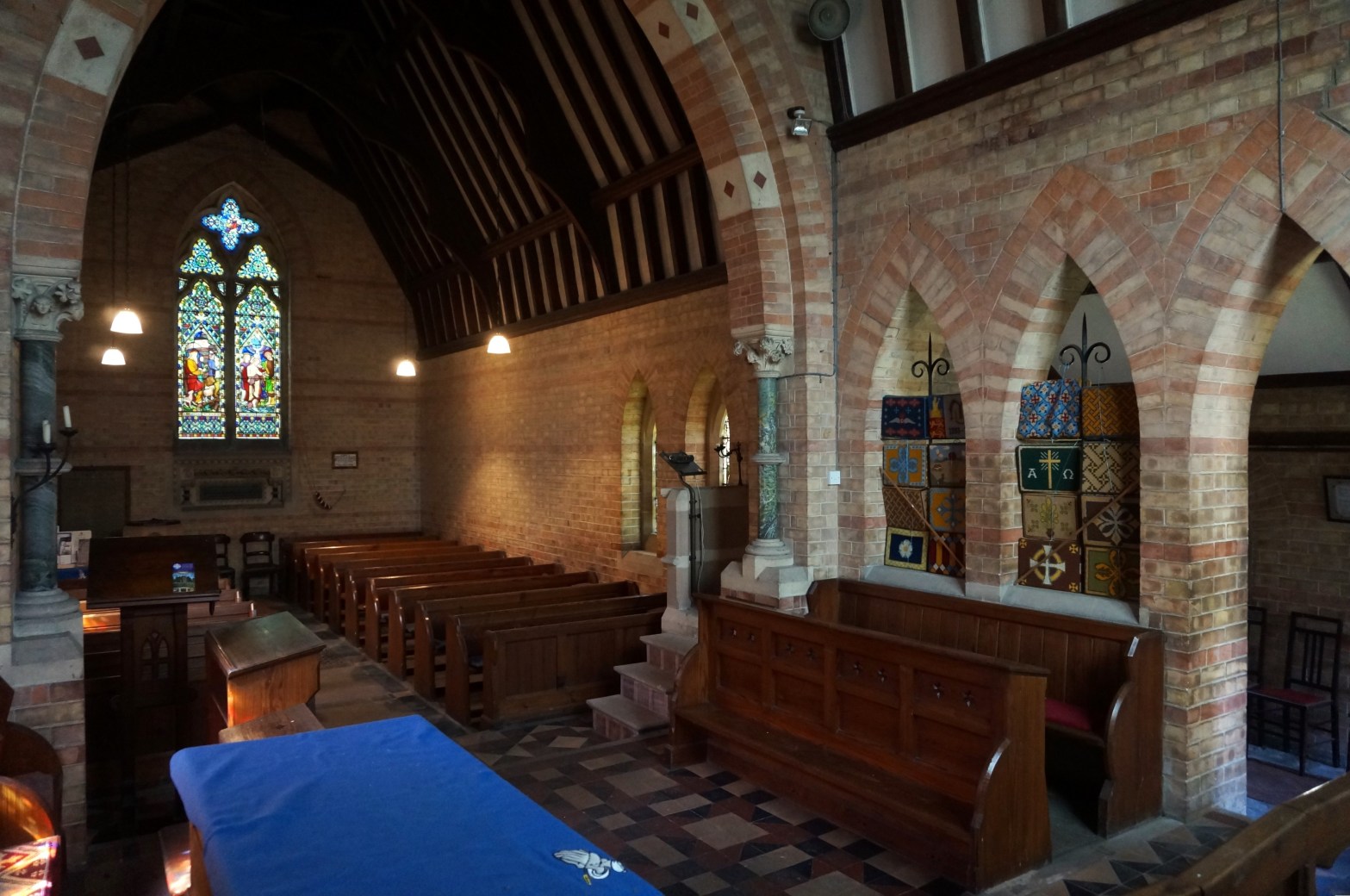
The subject of today’s post is the sort of architect whose biography explains at a quick glance why he has been largely overlooked by architectural historians. My hope is that a quick glance at his delightful and engaging work will be enough to show why that neglect is undeserved. Robert Jewell Withers (1824-1894) built noContinue reading “Quality in obscurity: the surprising career of R.J. Withers”
Technicolour Roguery: the rise and fall of Bassett Keeling

The 19th century was the age of Romanticism. Though its influence was felt in all the arts, many of the impulses driving the Romantic movement were literary in origin and one of their purest expressions is in the archetype of the Romantic hero – fated to be an outcast from society by incomprehension of hisContinue reading “Technicolour Roguery: the rise and fall of Bassett Keeling”
 Less Eminent Victorians