
The subject of this post is a particular favourite of mine. Over the course of his long life, he was hugely industrious, not just in architecture but also in the applied arts – furniture, ceramics, stained glass, wall and ceiling painting, textiles and metalwork. Active as an author, polemicist and lecturer, he wrote almost prolificallyContinue reading “J.P. Seddon at Birchington-on-Sea: from ‘Vigour and Go’ to Sweetness and Light”
Category Archives: London
The Gothic horrors of a Victorian worthy – Charles Buxton and Foxwarren

The roots of the Gothic Revival extend as far into literature as they do into archaeology. The endeavours of one of its key progenitors, Horace Walpole (1717-1797), to recreate the Middle Ages in brick, wood, plaster and stone through his remodelling of Strawberry Hill were inextricably bound up with his evocations of the Middle AgesContinue reading “The Gothic horrors of a Victorian worthy – Charles Buxton and Foxwarren”
A house and a manifesto: E.B. Lamb’s Fawkham Manor

Word reached me at the end of last month of an exciting new addition to the National Heritage List, Historic England’s register of all the listed sites nationwide. On 26th November 2020, Fawkham Manor of 1866-1867 near Brands Hatch in northwest Kent became a Grade II-listed building. Far more than the date makes it ofContinue reading “A house and a manifesto: E.B. Lamb’s Fawkham Manor”
An obscure figure finally gets his due
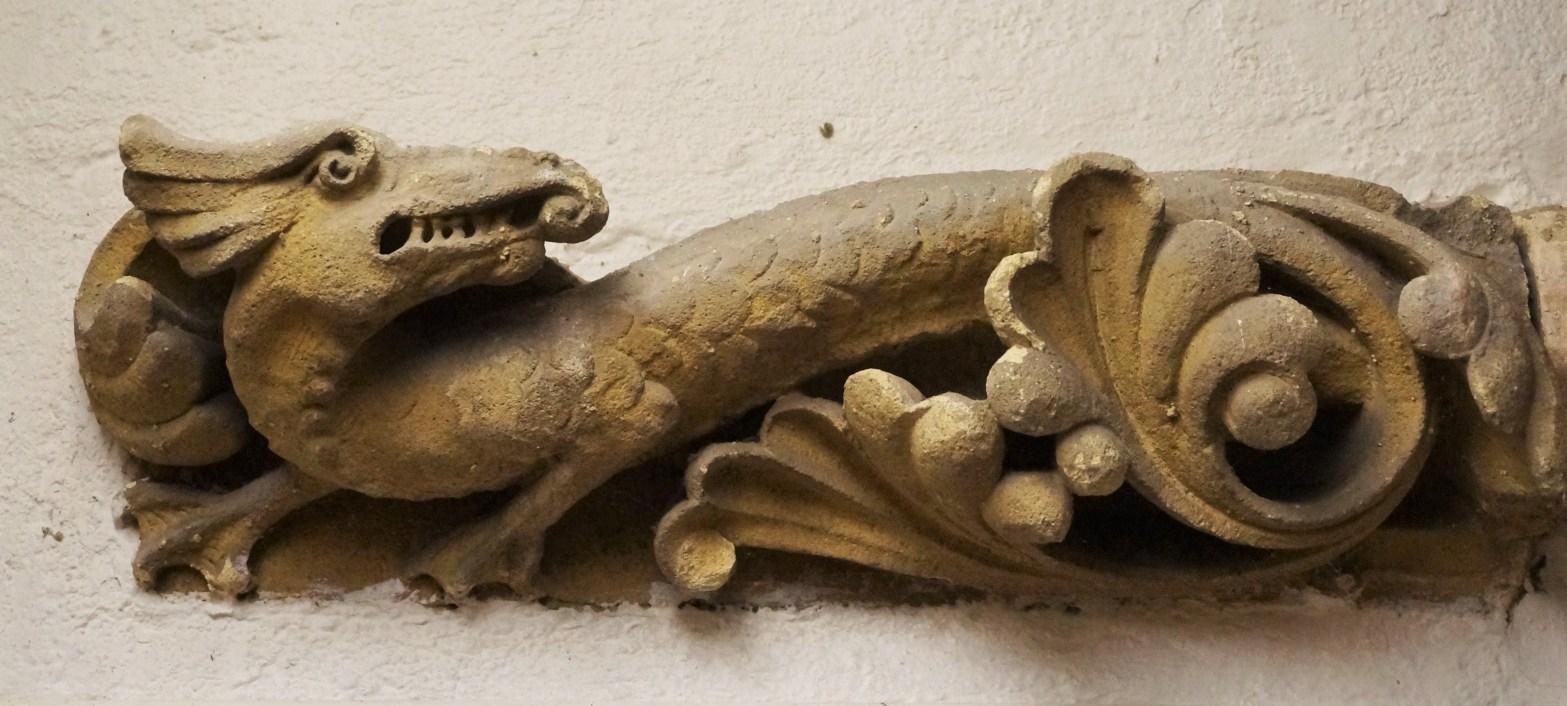
I am delighted to announce that I am the winner of this year’s annual Stephen Croad Essay Prize of the Ancient Monuments Society. My entry, ‘From Georgian antiquarian to Victorian rogue’, was an account of the life and work of the architect Edward Lushington Blackburne (1803-1888). It is, to the best of my knowledge, theContinue reading “An obscure figure finally gets his due”
French Architecture for Armchair Travellers – the éolienne Bollée and Clovis Normand

Tracing and unravelling all the routes by which France exerted an influence on Victorian architecture is such an enormous task that it would more than suffice to keep an architectural historian busy for the whole of an academic career. Some of the influence is very obvious, such as the enormous interest excited by the restorationContinue reading “French Architecture for Armchair Travellers – the éolienne Bollée and Clovis Normand”
Quality in obscurity: the surprising career of R.J. Withers
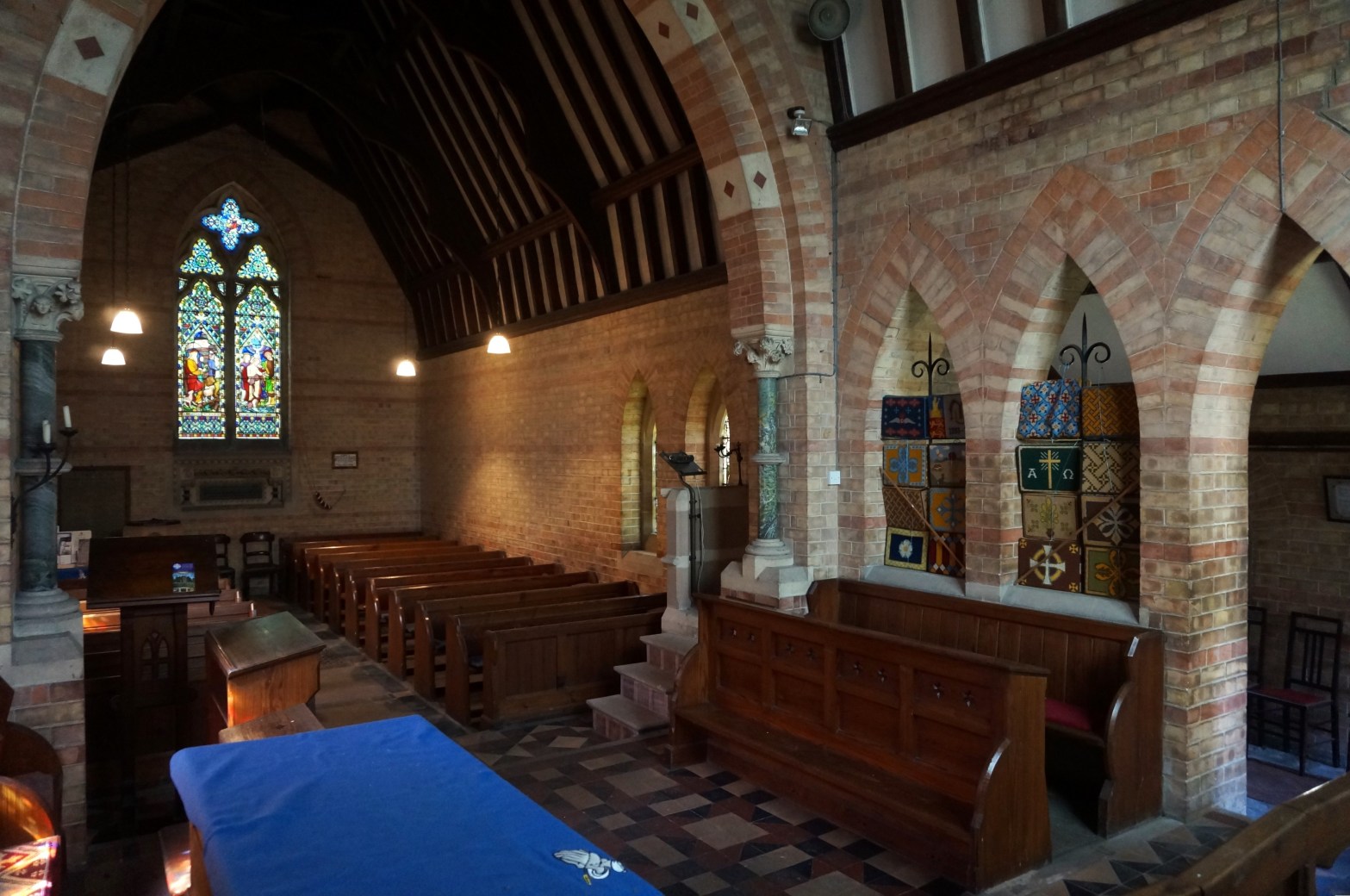
The subject of today’s post is the sort of architect whose biography explains at a quick glance why he has been largely overlooked by architectural historians. My hope is that a quick glance at his delightful and engaging work will be enough to show why that neglect is undeserved. Robert Jewell Withers (1824-1894) built noContinue reading “Quality in obscurity: the surprising career of R.J. Withers”
Technicolour Roguery: the rise and fall of Bassett Keeling

The 19th century was the age of Romanticism. Though its influence was felt in all the arts, many of the impulses driving the Romantic movement were literary in origin and one of their purest expressions is in the archetype of the Romantic hero – fated to be an outcast from society by incomprehension of hisContinue reading “Technicolour Roguery: the rise and fall of Bassett Keeling”
A glimpse of Arcadia in Central Wales

Thomas Henry Wyatt (1807-1880) and David Brandon (1813-1897) have a reputation of being among the also-rans of Victorian architecture. In the earlier part of their careers, the two architects had a professional partnership which lasted from 1838 until 1851, whereupon they went their separate ways. They were commercially successful, taking on the full range ofContinue reading “A glimpse of Arcadia in Central Wales”
A High Street extravaganza
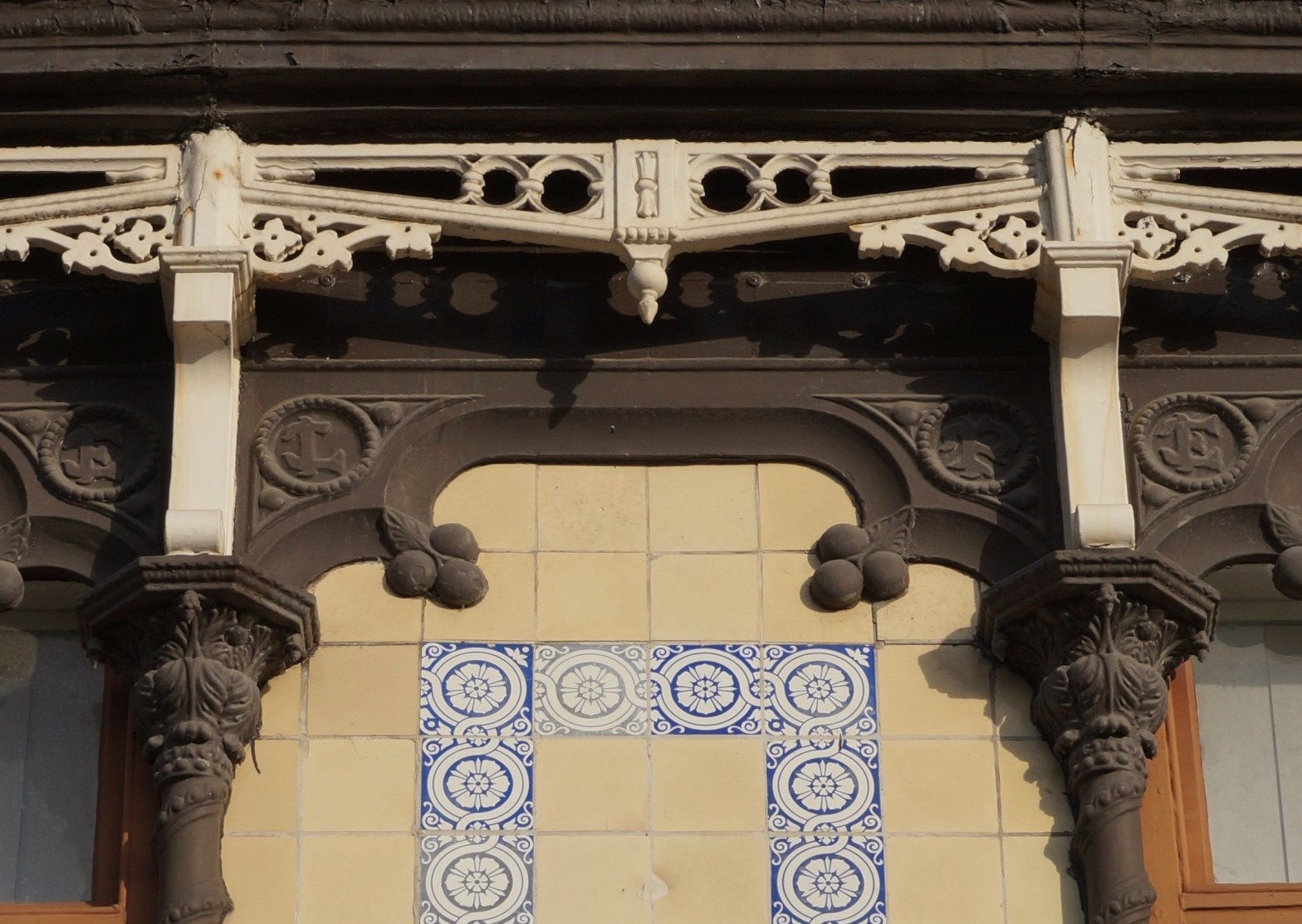
An awful lot of towns in the Home Counties were badly sinned against in the post-war years by planners, developers, traffic engineers and architects, but few quite as grievously as Maidstone. While I can’t feel too upset about the destruction visited on certain places, where there may well never have been anything terribly interesting, MaidstoneContinue reading “A High Street extravaganza”
A newly discovered work by George Gilbert Scott Junior

George Gilbert Scott Junior (1839-1897) is not an overlooked architect. At any rate, he shouldn’t be. He was recognised in his time as a hugely talented designer, yet never received his posthumous due for a number of reasons. One, inevitably, was that he was overshadowed by his more famous namesake father, but his breakdown, relativelyContinue reading “A newly discovered work by George Gilbert Scott Junior”
 Less Eminent Victorians