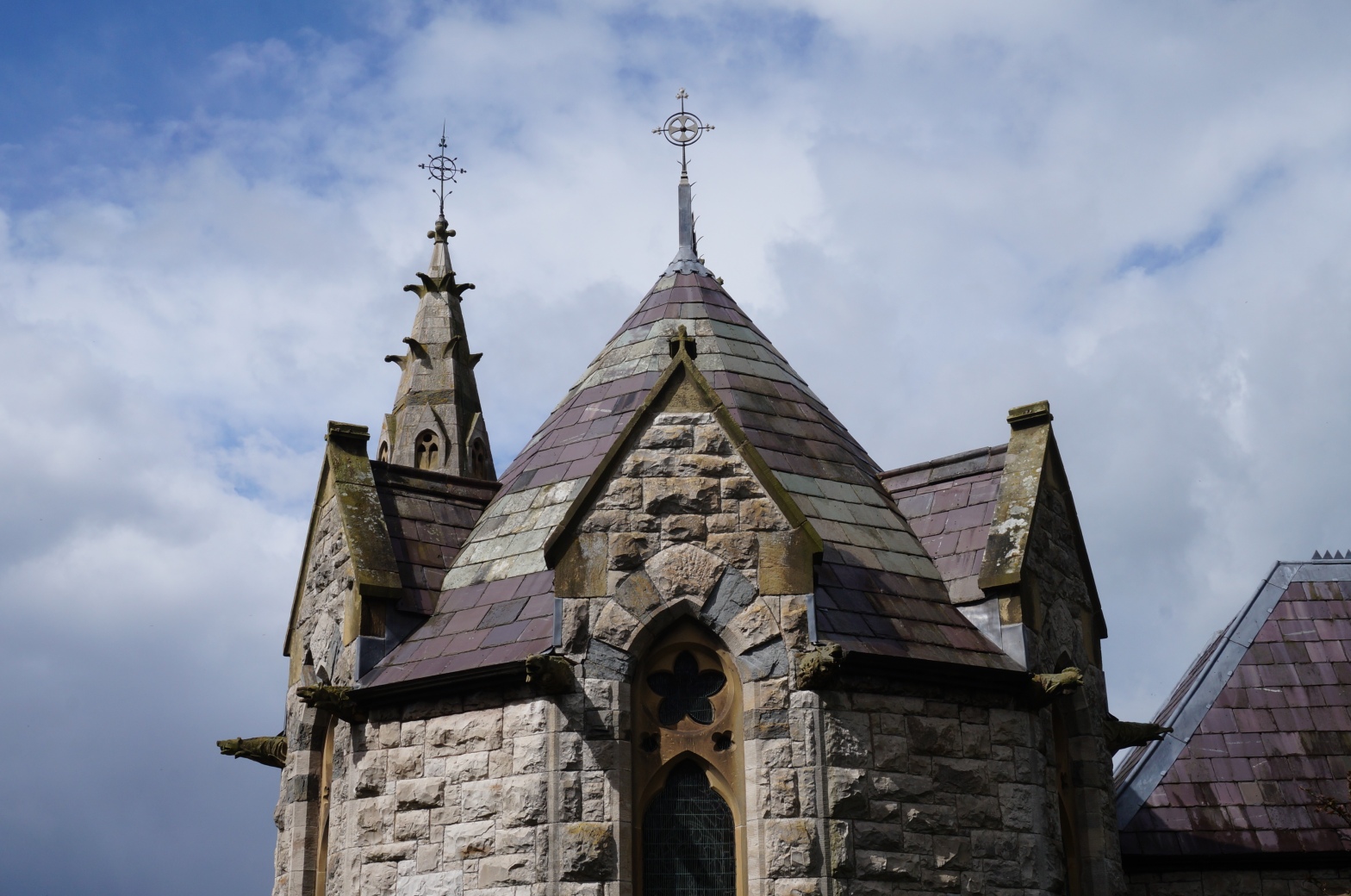
Several of the architects featured so far in this blog were, for all the distinctiveness of their architecture, specialists in a particular building type, be it churches, country houses or non-conformist chapels. Where 19th century architects were professionally more omnivorous, they tended to cut their stylistic cloth according to the commission. Though we think ofContinue reading “Bristly, stripy and muscly – the architecture of Poundley and Walker”
Author Archives: Edmund Harris
Multum in parvo – John Middleton and Llangynllo

There won’t be all that many posts on this blog devoted to individual buildings, but this one is so extraordinary that I have to make an exception. We first encountered Sir Thomas Lloyd (1820-1877) in connection with St Dogfael’s Church in Meline, featured in last week’s post on R.J. Withers. Though Gothic Revival, that isContinue reading “Multum in parvo – John Middleton and Llangynllo”
Quality in obscurity: the surprising career of R.J. Withers
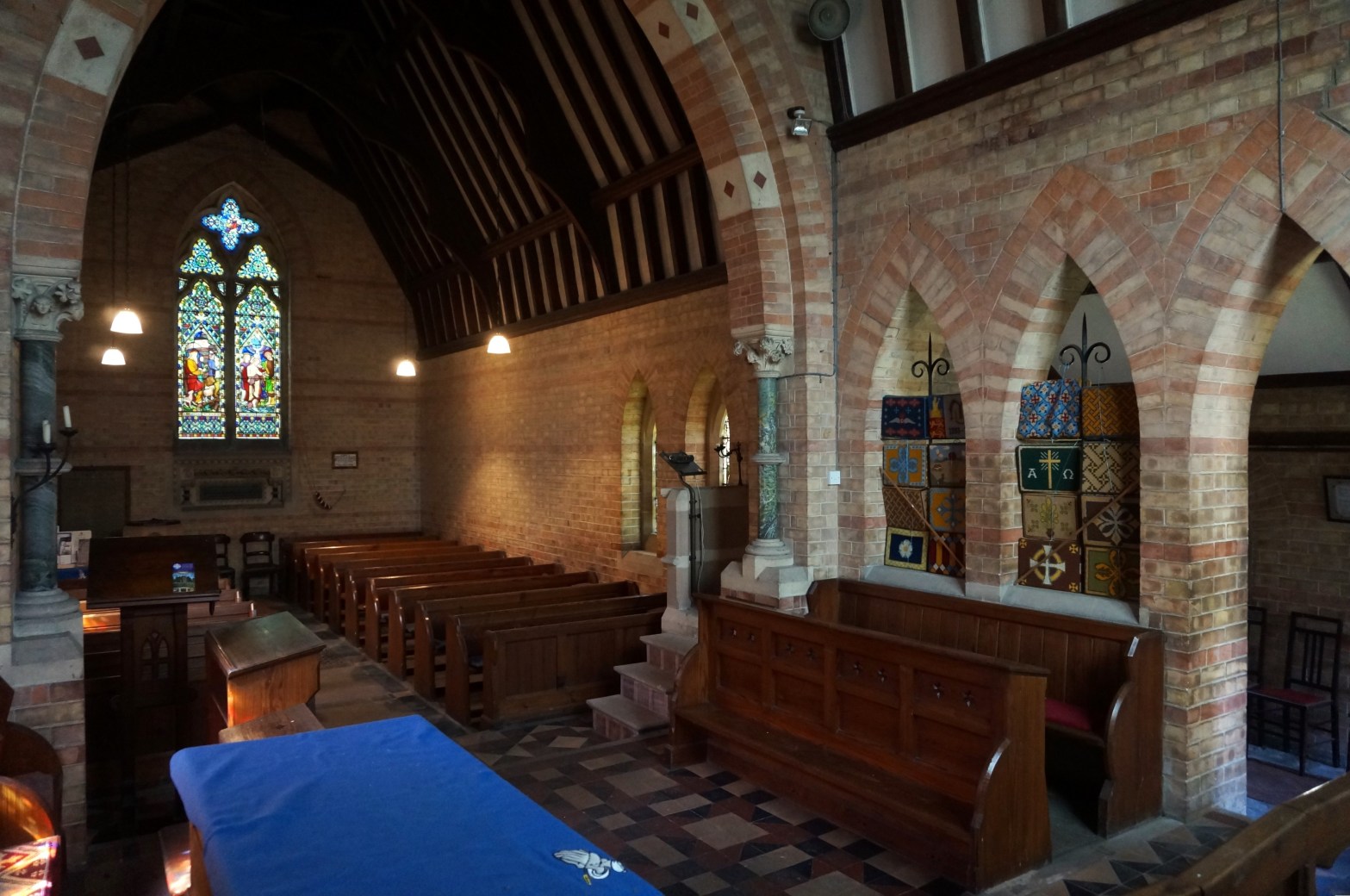
The subject of today’s post is the sort of architect whose biography explains at a quick glance why he has been largely overlooked by architectural historians. My hope is that a quick glance at his delightful and engaging work will be enough to show why that neglect is undeserved. Robert Jewell Withers (1824-1894) built noContinue reading “Quality in obscurity: the surprising career of R.J. Withers”
A Celtic nation of shopkeepers
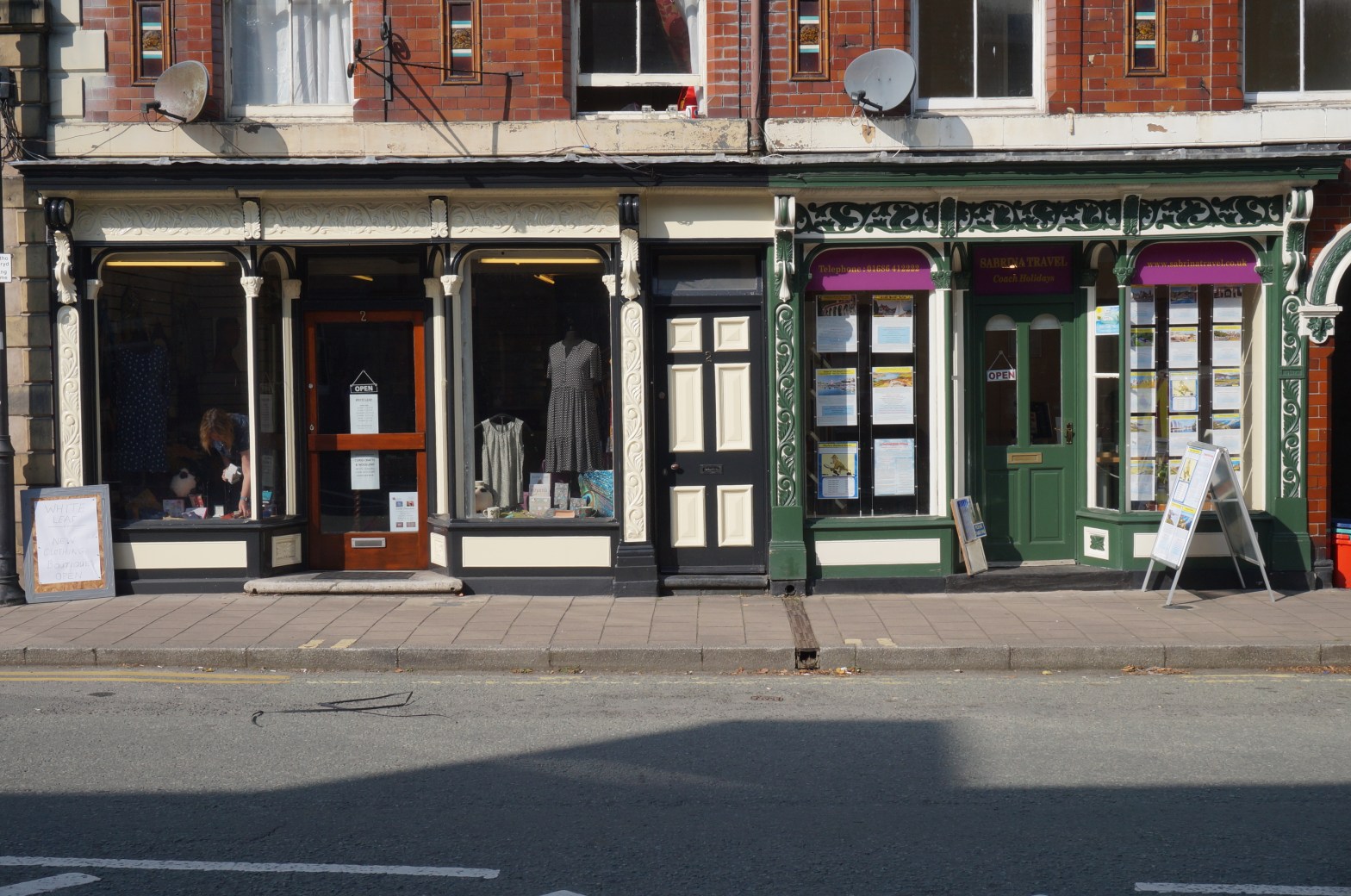
A few weeks ago I wrote about Llanidloes in central Wales (formerly in Montgomeryshire, now in Powys) and featured the splendid nonconformist chapels that are such a prominent feature of its townscape. I now want to turn my attention to another building type that does a great deal to define the character of the placeContinue reading “A Celtic nation of shopkeepers”
Technicolour Roguery: the rise and fall of Bassett Keeling

The 19th century was the age of Romanticism. Though its influence was felt in all the arts, many of the impulses driving the Romantic movement were literary in origin and one of their purest expressions is in the archetype of the Romantic hero – fated to be an outcast from society by incomprehension of hisContinue reading “Technicolour Roguery: the rise and fall of Bassett Keeling”
Welsh Baroque – Nonconformist swagger in Llanidloes

I was introduced to Ian Nairn by my father, who was a great admirer, owned a copy of Nairn’s London and got me watching the mini-series of his programmes repeated in 1990 with introductions by a very fresh-faced Jonathan Meades. Over the years, my attitude towards him has changed from initial incomprehension in my teensContinue reading “Welsh Baroque – Nonconformist swagger in Llanidloes”
A glimpse of Arcadia in Central Wales

Thomas Henry Wyatt (1807-1880) and David Brandon (1813-1897) have a reputation of being among the also-rans of Victorian architecture. In the earlier part of their careers, the two architects had a professional partnership which lasted from 1838 until 1851, whereupon they went their separate ways. They were commercially successful, taking on the full range ofContinue reading “A glimpse of Arcadia in Central Wales”
Amateur extravagance in the Welsh Marches

I have long fancied that one of the principal drivers of architectural development in Victorian England was boredom. Young men who had come into contact with the ideas of, say, Ruskin or the Tractarian Movement while up at Oxbridge or in the capital then found themselves out in the sticks on inheriting the family estateContinue reading “Amateur extravagance in the Welsh Marches”
Ghastly good taste in the Weald
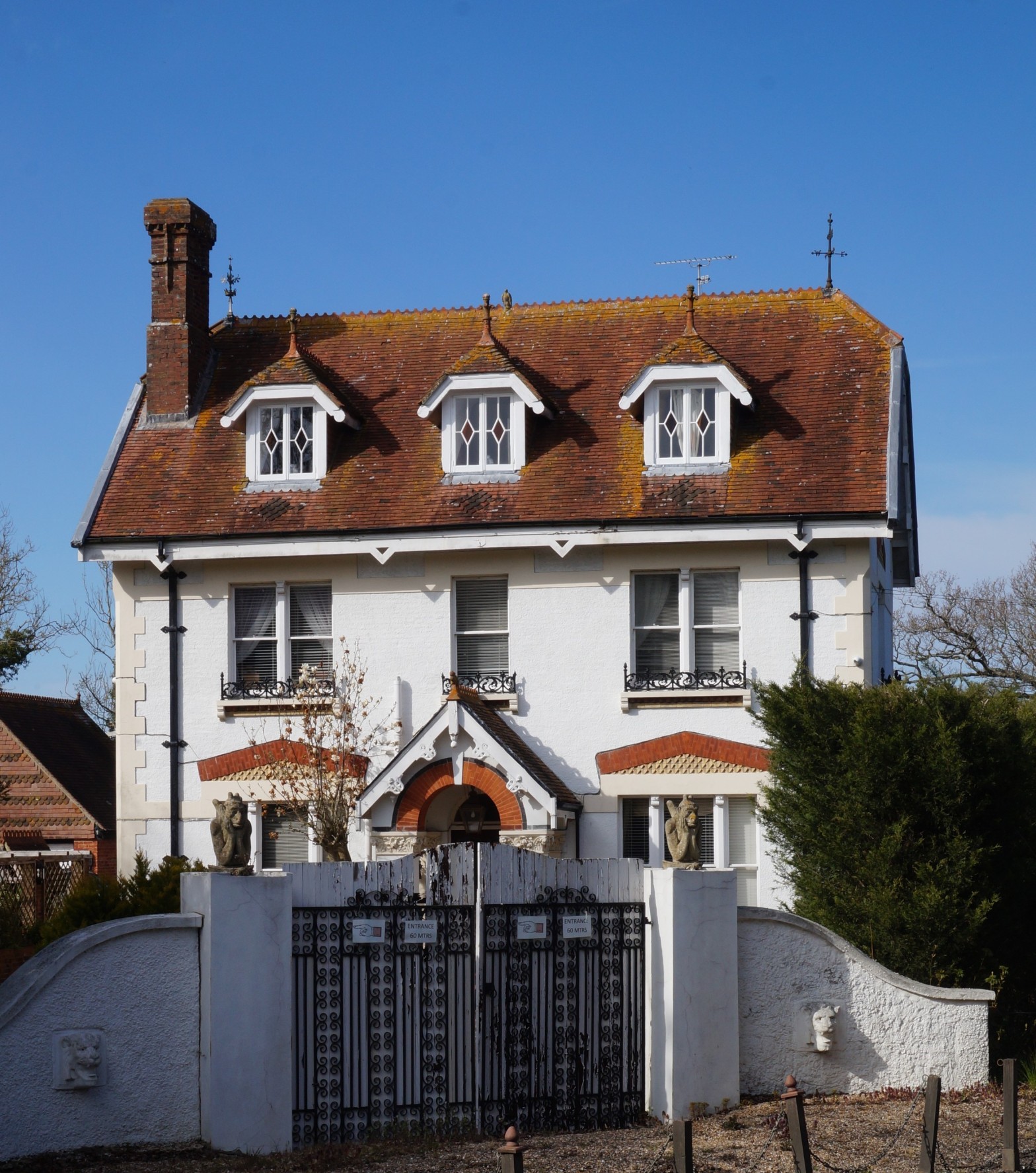
Again rural Kent and again a residential property – very different in scale and style to the cottages in Leeds featured a few weeks ago, but, like them inasmuch as it is the sort of architecture that slips below the radar of historians because it is neither ‘properly’ vernacular nor (at any rate, as farContinue reading “Ghastly good taste in the Weald”
A High Street extravaganza

An awful lot of towns in the Home Counties were badly sinned against in the post-war years by planners, developers, traffic engineers and architects, but few quite as grievously as Maidstone. While I can’t feel too upset about the destruction visited on certain places, where there may well never have been anything terribly interesting, MaidstoneContinue reading “A High Street extravaganza”
 Less Eminent Victorians