
It is a measure of the prominence which civil engineering assumed in the 19th century that members of the profession achieved the status of household names. Indeed, they not merely achieved, but also retained it – witness, for instance, Isambard Kingdom Brunel polling second place in the 100 Greatest Britons television series of 2002, nearlyContinue reading “Introducing C.H. Driver (1832-1900), Architect to the Steam Age”
Category Archives: High Victorian
Architect of a lost London: Thomas Edward Knightley (1823-1905)

To a greater or lesser degree, lasting success in any profession comes down to luck and architecture is no exception. Success has to be measured not only in terms of what an architect gets to build in his or her lifetime, but also of the subsequent fate of these achievements. Many posthumous reputations which deservedContinue reading “Architect of a lost London: Thomas Edward Knightley (1823-1905)”
Dandified Gothic: the architecture of Henry Woodyer (1816-1896)

This blog does not deal primarily with lost heritage, but recently a long-vanished building was brought to my attention which is simply too good not to feature here. The most grievous losses suffered by 19th and early 20th century architectural heritage as a result of accident, war damage, changes of fashion and redevelopment are wellContinue reading “Dandified Gothic: the architecture of Henry Woodyer (1816-1896)”
J.P. Seddon at Birchington-on-Sea: from ‘Vigour and Go’ to Sweetness and Light

The subject of this post is a particular favourite of mine. Over the course of his long life, he was hugely industrious, not just in architecture but also in the applied arts – furniture, ceramics, stained glass, wall and ceiling painting, textiles and metalwork. Active as an author, polemicist and lecturer, he wrote almost prolificallyContinue reading “J.P. Seddon at Birchington-on-Sea: from ‘Vigour and Go’ to Sweetness and Light”
The Gothic horrors of a Victorian worthy – Charles Buxton and Foxwarren

The roots of the Gothic Revival extend as far into literature as they do into archaeology. The endeavours of one of its key progenitors, Horace Walpole (1717-1797), to recreate the Middle Ages in brick, wood, plaster and stone through his remodelling of Strawberry Hill were inextricably bound up with his evocations of the Middle AgesContinue reading “The Gothic horrors of a Victorian worthy – Charles Buxton and Foxwarren”
An obscure figure finally gets his due
I am delighted to announce that I am the winner of this year’s annual Stephen Croad Essay Prize of the Ancient Monuments Society. My entry, ‘From Georgian antiquarian to Victorian rogue’, was an account of the life and work of the architect Edward Lushington Blackburne (1803-1888). It is, to the best of my knowledge, theContinue reading “An obscure figure finally gets his due”
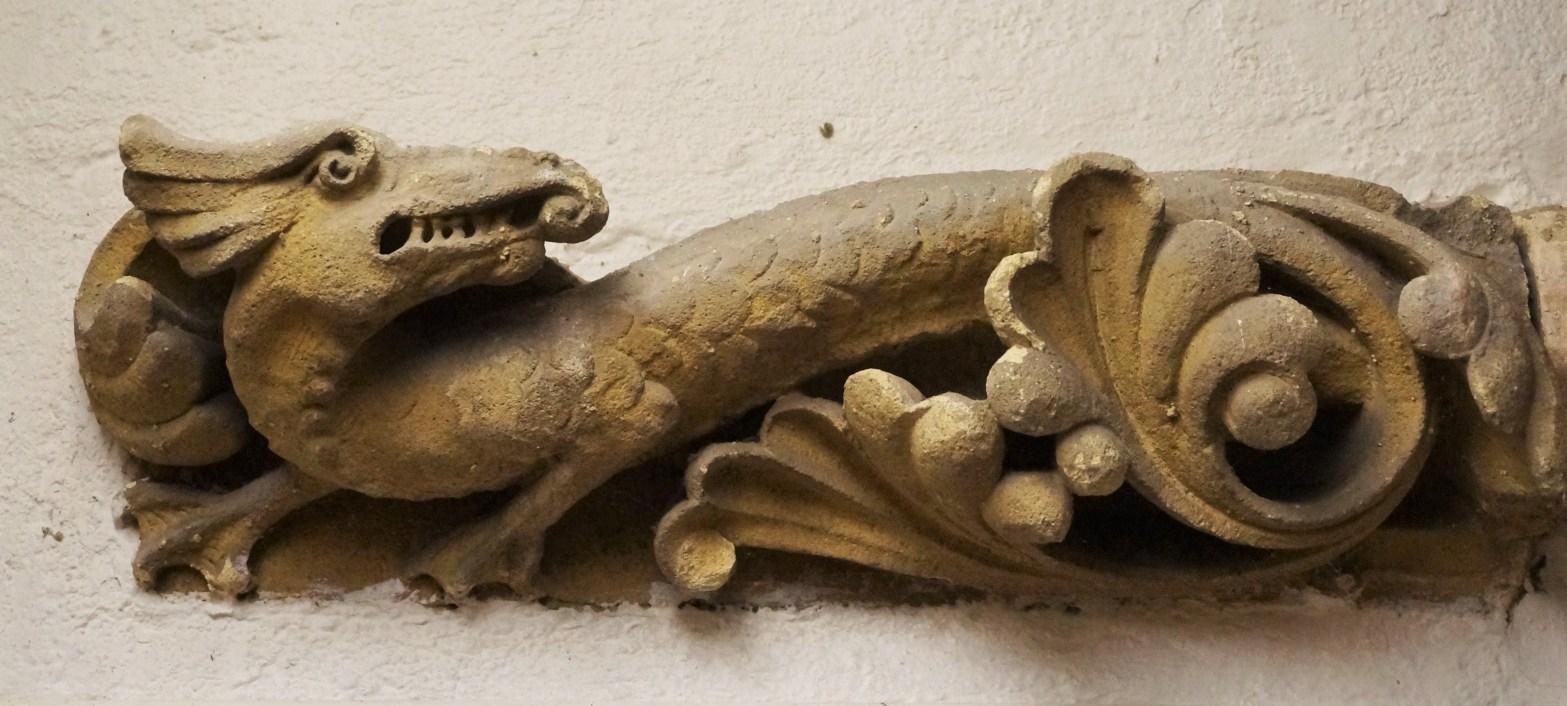
Multum in parvo – John Middleton and Llangynllo

There won’t be all that many posts on this blog devoted to individual buildings, but this one is so extraordinary that I have to make an exception. We first encountered Sir Thomas Lloyd (1820-1877) in connection with St Dogfael’s Church in Meline, featured in last week’s post on R.J. Withers. Though Gothic Revival, that isContinue reading “Multum in parvo – John Middleton and Llangynllo”
Quality in obscurity: the surprising career of R.J. Withers
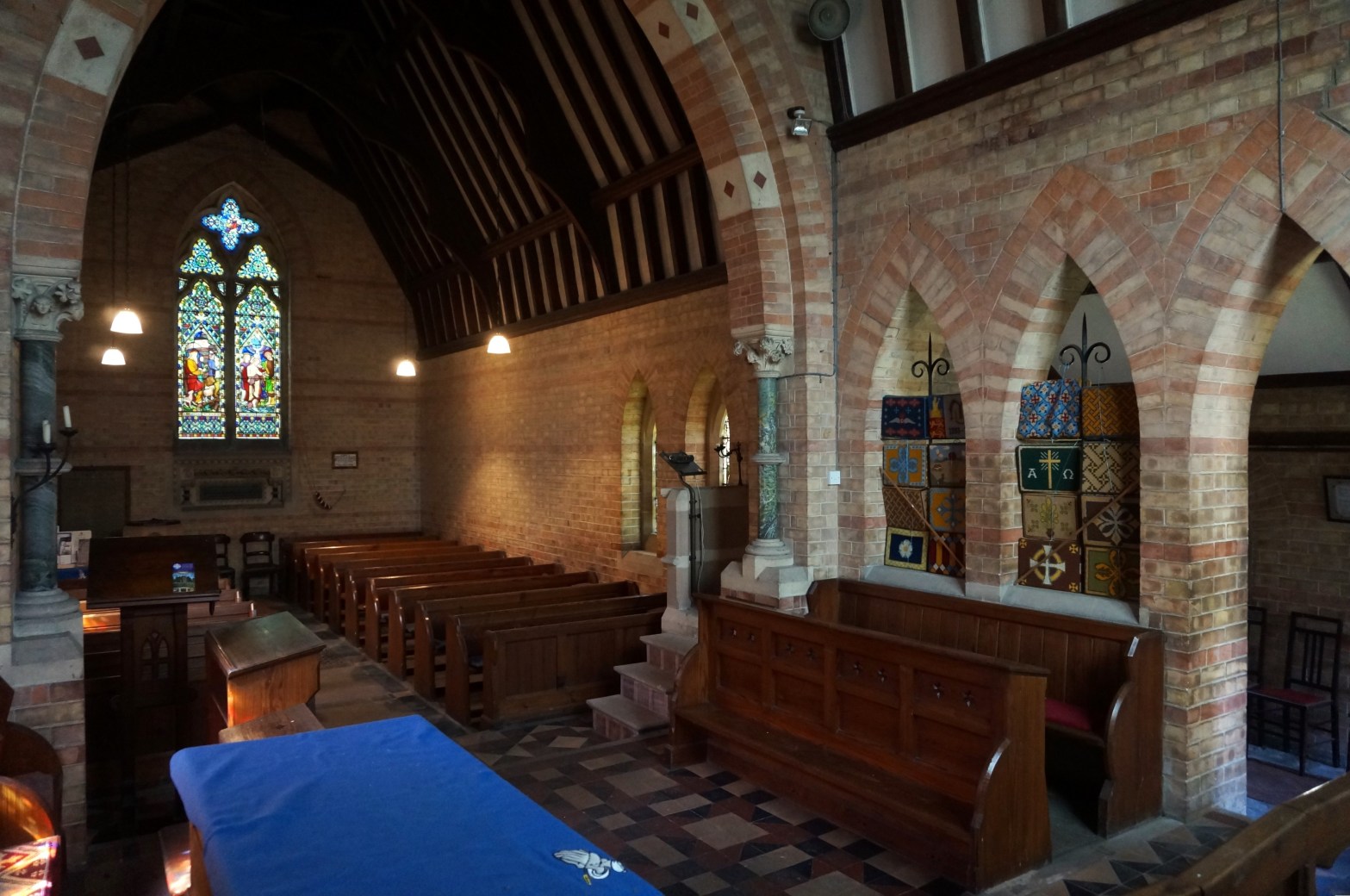
The subject of today’s post is the sort of architect whose biography explains at a quick glance why he has been largely overlooked by architectural historians. My hope is that a quick glance at his delightful and engaging work will be enough to show why that neglect is undeserved. Robert Jewell Withers (1824-1894) built noContinue reading “Quality in obscurity: the surprising career of R.J. Withers”
A Celtic nation of shopkeepers
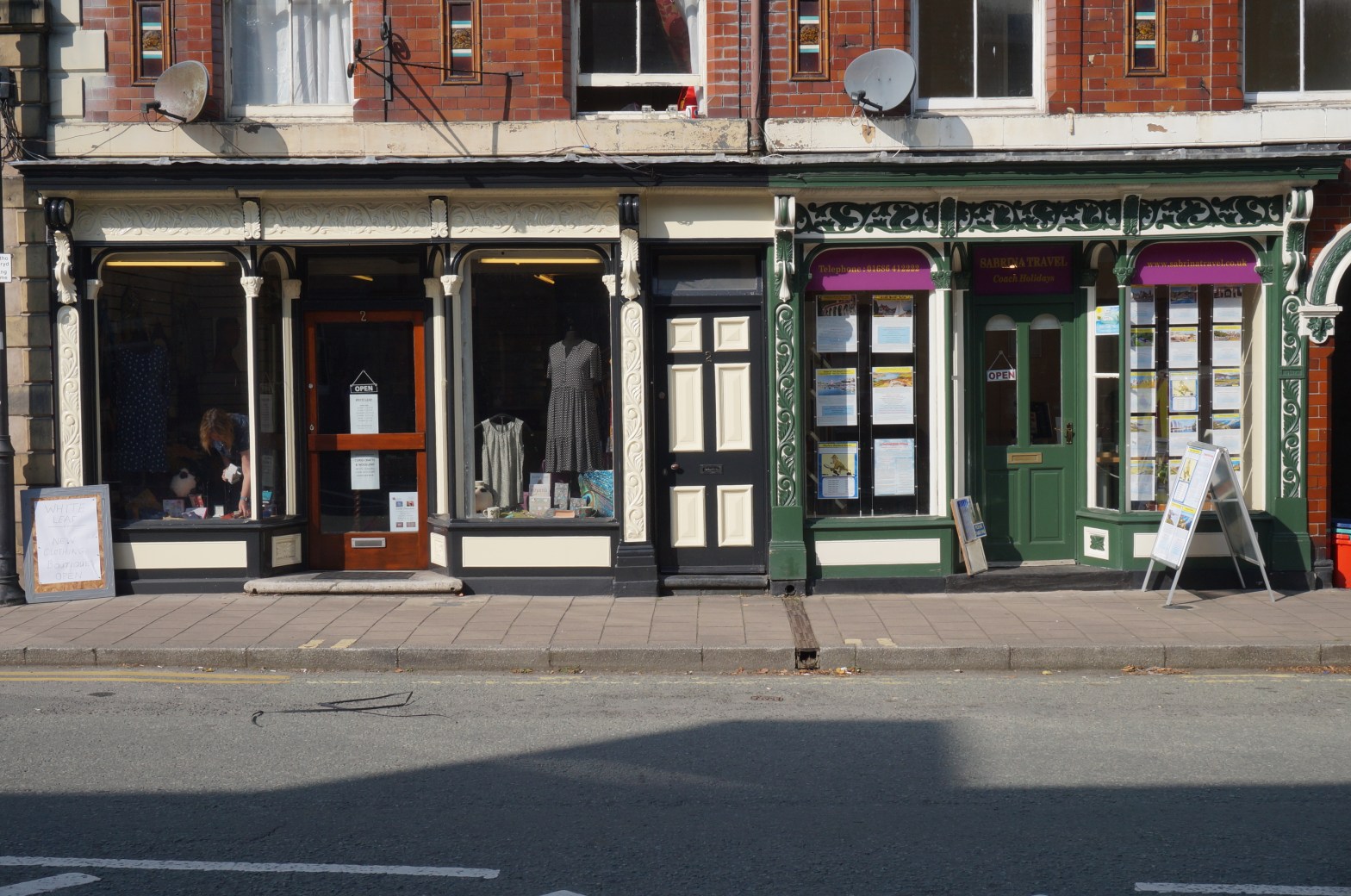
A few weeks ago I wrote about Llanidloes in central Wales (formerly in Montgomeryshire, now in Powys) and featured the splendid nonconformist chapels that are such a prominent feature of its townscape. I now want to turn my attention to another building type that does a great deal to define the character of the placeContinue reading “A Celtic nation of shopkeepers”
A glimpse of Arcadia in Central Wales

Thomas Henry Wyatt (1807-1880) and David Brandon (1813-1897) have a reputation of being among the also-rans of Victorian architecture. In the earlier part of their careers, the two architects had a professional partnership which lasted from 1838 until 1851, whereupon they went their separate ways. They were commercially successful, taking on the full range ofContinue reading “A glimpse of Arcadia in Central Wales”
 Less Eminent Victorians