
The roots of the Gothic Revival extend as far into literature as they do into archaeology. The endeavours of one of its key progenitors, Horace Walpole (1717-1797), to recreate the Middle Ages in brick, wood, plaster and stone through his remodelling of Strawberry Hill were inextricably bound up with his evocations of the Middle AgesContinue reading “The Gothic horrors of a Victorian worthy – Charles Buxton and Foxwarren”
Category Archives: Colour in architecture
An obscure figure finally gets his due
I am delighted to announce that I am the winner of this year’s annual Stephen Croad Essay Prize of the Ancient Monuments Society. My entry, ‘From Georgian antiquarian to Victorian rogue’, was an account of the life and work of the architect Edward Lushington Blackburne (1803-1888). It is, to the best of my knowledge, theContinue reading “An obscure figure finally gets his due”
Bristly, stripy and muscly – the architecture of Poundley and Walker
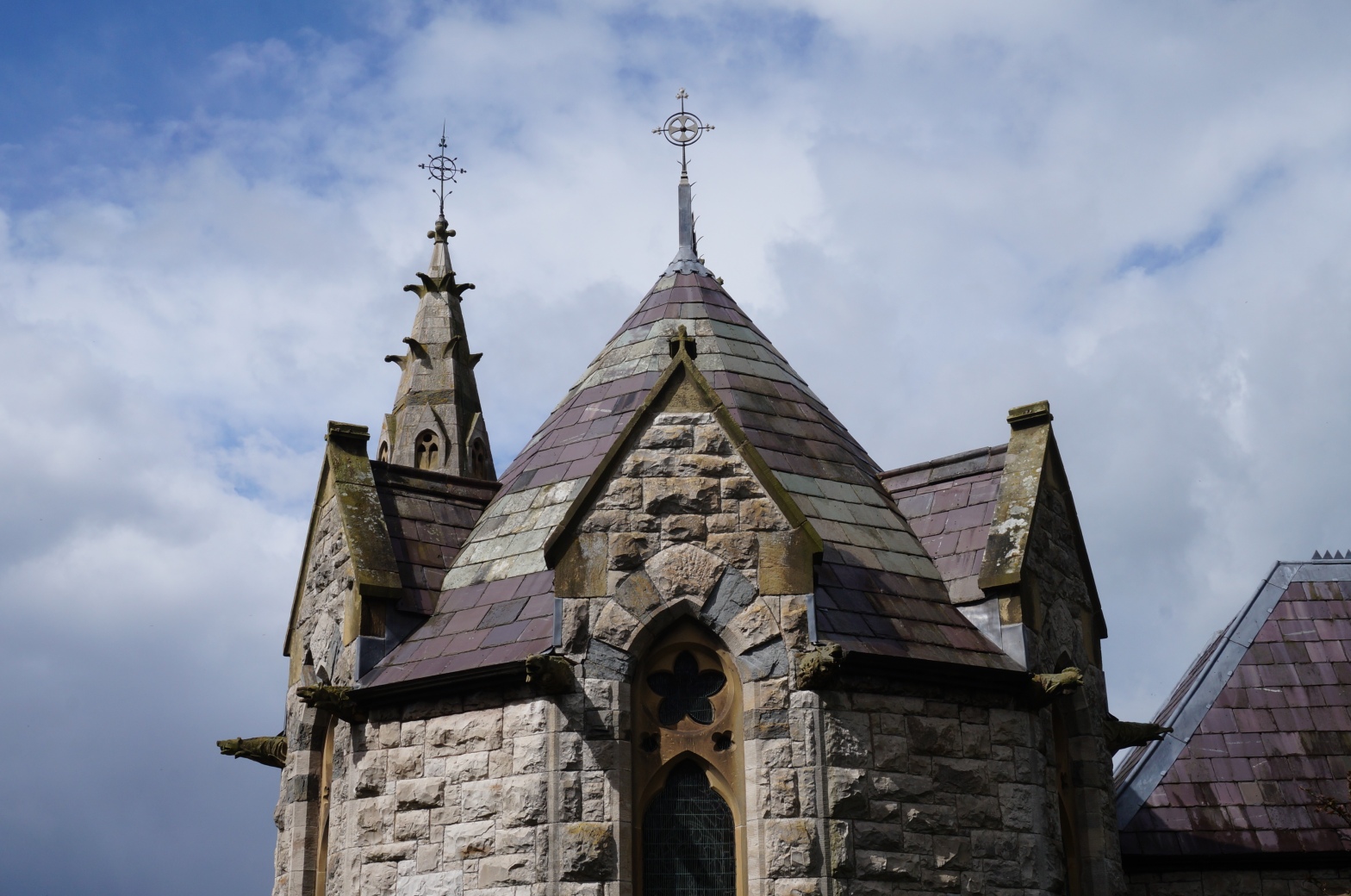
Several of the architects featured so far in this blog were, for all the distinctiveness of their architecture, specialists in a particular building type, be it churches, country houses or non-conformist chapels. Where 19th century architects were professionally more omnivorous, they tended to cut their stylistic cloth according to the commission. Though we think ofContinue reading “Bristly, stripy and muscly – the architecture of Poundley and Walker”
Multum in parvo – John Middleton and Llangynllo

There won’t be all that many posts on this blog devoted to individual buildings, but this one is so extraordinary that I have to make an exception. We first encountered Sir Thomas Lloyd (1820-1877) in connection with St Dogfael’s Church in Meline, featured in last week’s post on R.J. Withers. Though Gothic Revival, that isContinue reading “Multum in parvo – John Middleton and Llangynllo”
Quality in obscurity: the surprising career of R.J. Withers
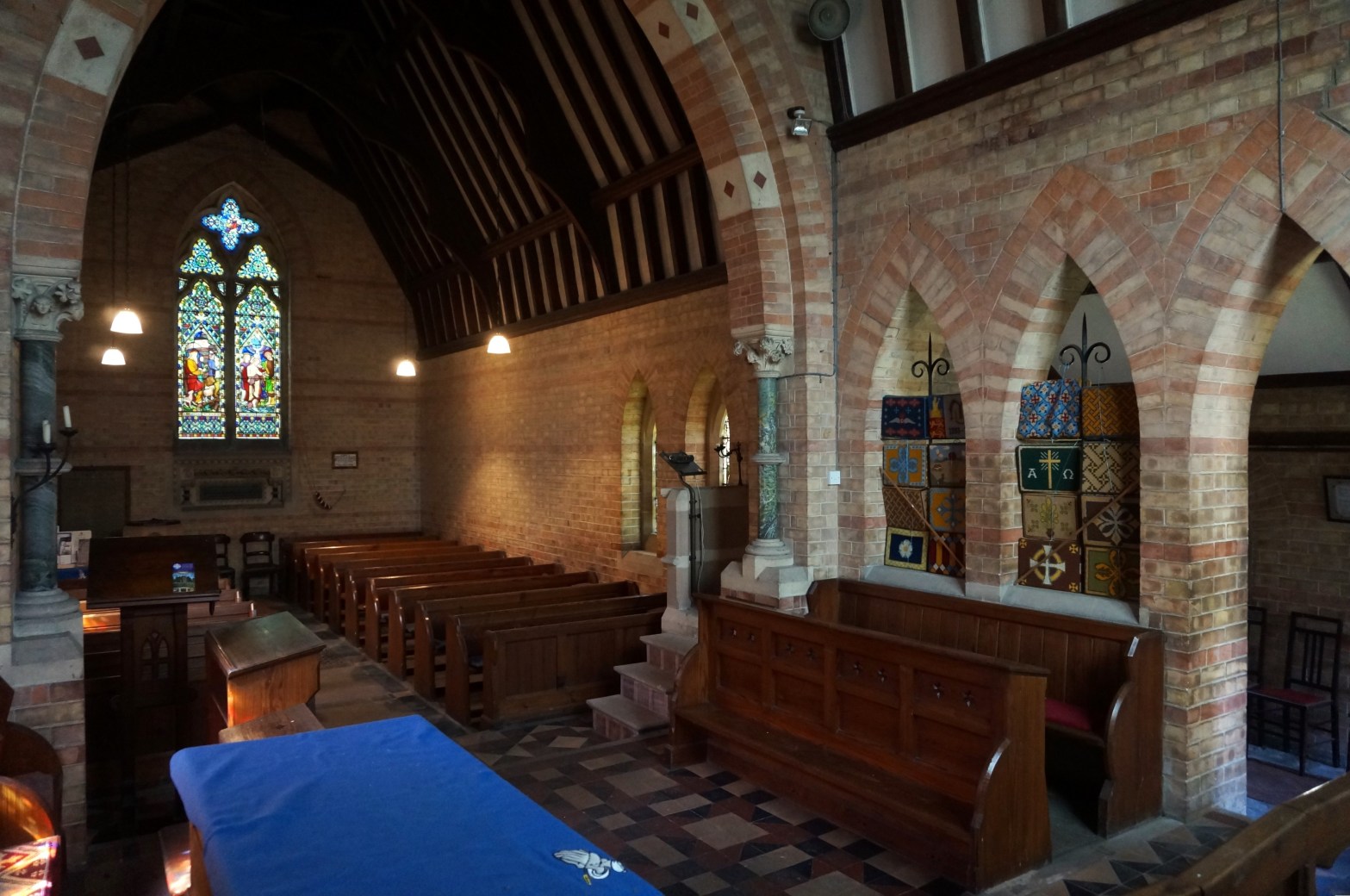
The subject of today’s post is the sort of architect whose biography explains at a quick glance why he has been largely overlooked by architectural historians. My hope is that a quick glance at his delightful and engaging work will be enough to show why that neglect is undeserved. Robert Jewell Withers (1824-1894) built noContinue reading “Quality in obscurity: the surprising career of R.J. Withers”
A Celtic nation of shopkeepers
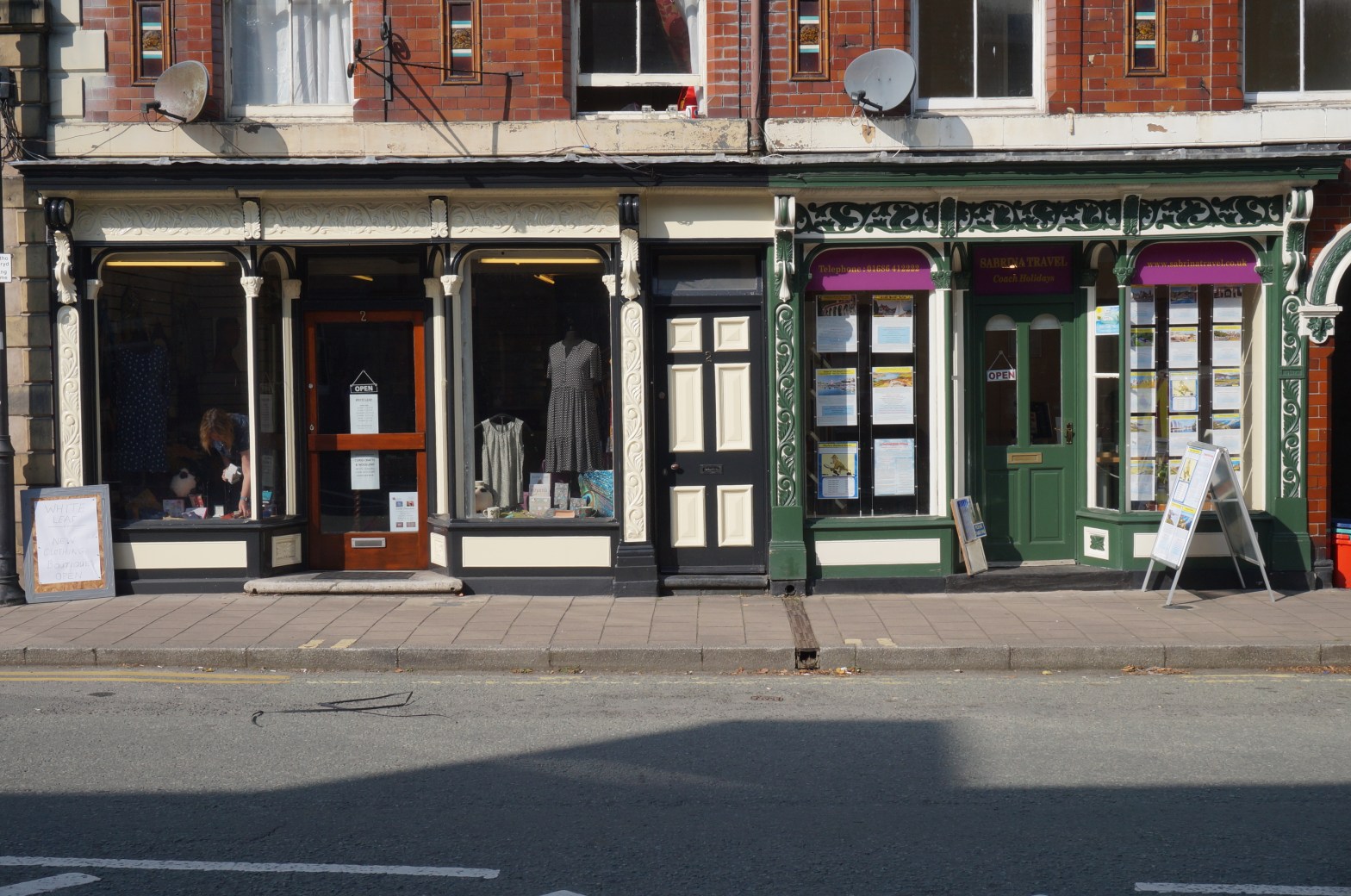
A few weeks ago I wrote about Llanidloes in central Wales (formerly in Montgomeryshire, now in Powys) and featured the splendid nonconformist chapels that are such a prominent feature of its townscape. I now want to turn my attention to another building type that does a great deal to define the character of the placeContinue reading “A Celtic nation of shopkeepers”
Technicolour Roguery: the rise and fall of Bassett Keeling

The 19th century was the age of Romanticism. Though its influence was felt in all the arts, many of the impulses driving the Romantic movement were literary in origin and one of their purest expressions is in the archetype of the Romantic hero – fated to be an outcast from society by incomprehension of hisContinue reading “Technicolour Roguery: the rise and fall of Bassett Keeling”
Amateur extravagance in the Welsh Marches

I have long fancied that one of the principal drivers of architectural development in Victorian England was boredom. Young men who had come into contact with the ideas of, say, Ruskin or the Tractarian Movement while up at Oxbridge or in the capital then found themselves out in the sticks on inheriting the family estateContinue reading “Amateur extravagance in the Welsh Marches”
A newly discovered work by George Gilbert Scott Junior

George Gilbert Scott Junior (1839-1897) is not an overlooked architect. At any rate, he shouldn’t be. He was recognised in his time as a hugely talented designer, yet never received his posthumous due for a number of reasons. One, inevitably, was that he was overshadowed by his more famous namesake father, but his breakdown, relativelyContinue reading “A newly discovered work by George Gilbert Scott Junior”
W. Eden Nesfield the church architect

In my first post on W. Eden Nesfield, I described country houses and associated domestic work as the mainstay of his practice. The Saffron Walden bank is his only commercial building – indeed, only one of a tiny handful of works in an urban setting – and he made few attempts to enter the crowdedContinue reading “W. Eden Nesfield the church architect”
 Less Eminent Victorians