
Word reached me at the end of last month of an exciting new addition to the National Heritage List, Historic England’s register of all the listed sites nationwide. On 26th November 2020, Fawkham Manor of 1866-1867 near Brands Hatch in northwest Kent became a Grade II-listed building. Far more than the date makes it ofContinue reading “A house and a manifesto: E.B. Lamb’s Fawkham Manor”
Category Archives: Country houses
An obscure figure finally gets his due
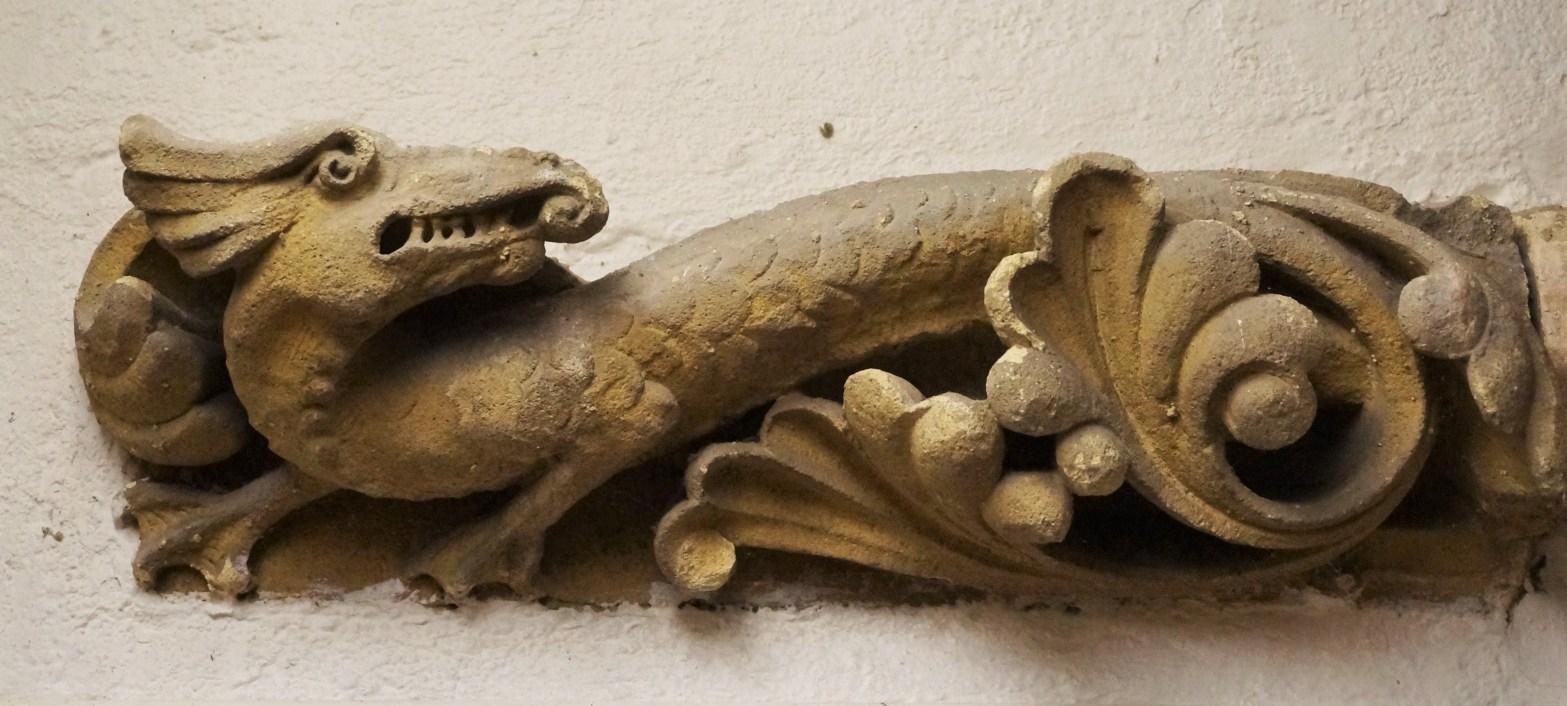
I am delighted to announce that I am the winner of this year’s annual Stephen Croad Essay Prize of the Ancient Monuments Society. My entry, ‘From Georgian antiquarian to Victorian rogue’, was an account of the life and work of the architect Edward Lushington Blackburne (1803-1888). It is, to the best of my knowledge, theContinue reading “An obscure figure finally gets his due”
Bristly, stripy and muscly – the architecture of Poundley and Walker
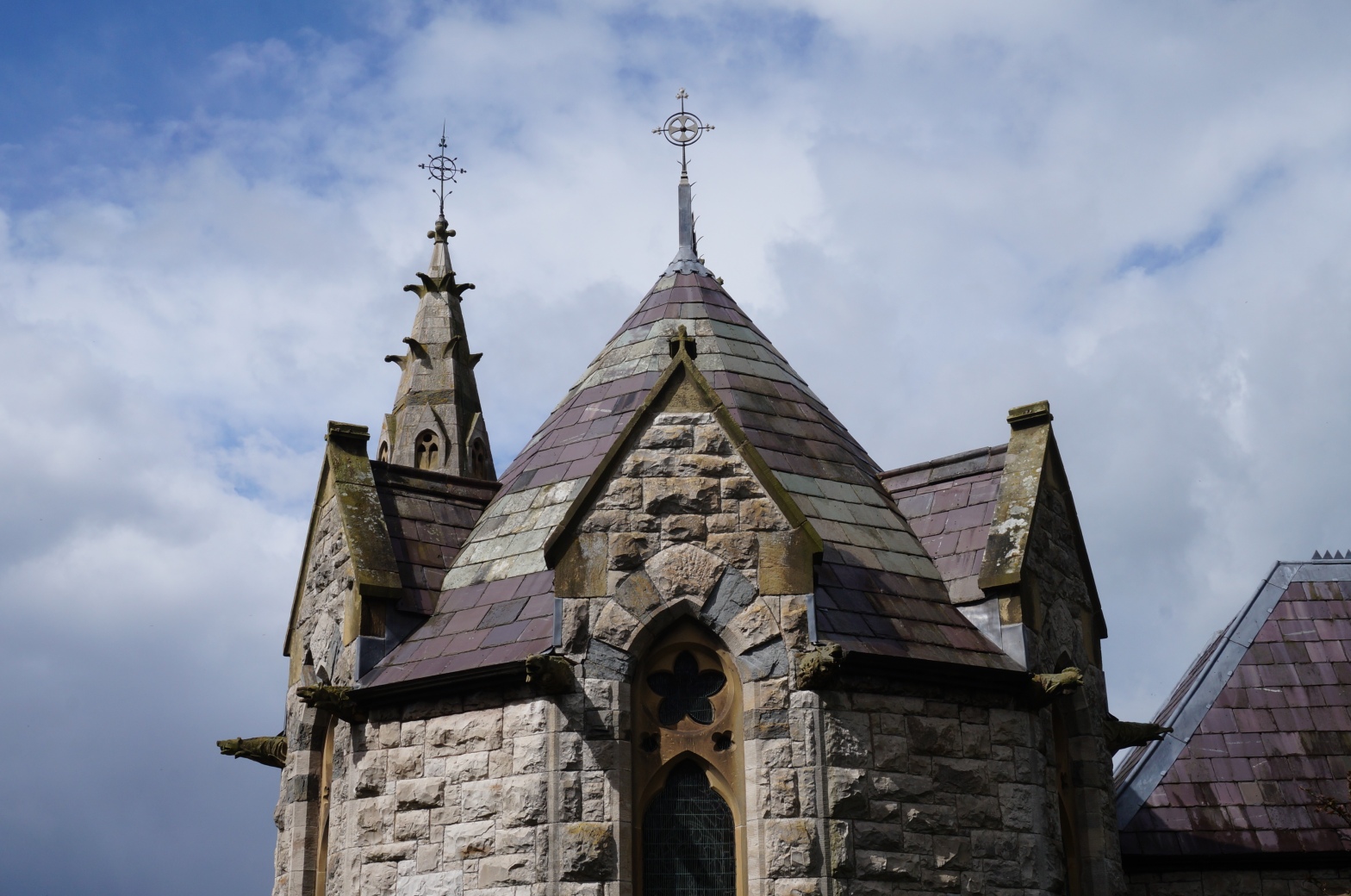
Several of the architects featured so far in this blog were, for all the distinctiveness of their architecture, specialists in a particular building type, be it churches, country houses or non-conformist chapels. Where 19th century architects were professionally more omnivorous, they tended to cut their stylistic cloth according to the commission. Though we think ofContinue reading “Bristly, stripy and muscly – the architecture of Poundley and Walker”
A glimpse of Arcadia in Central Wales

Thomas Henry Wyatt (1807-1880) and David Brandon (1813-1897) have a reputation of being among the also-rans of Victorian architecture. In the earlier part of their careers, the two architects had a professional partnership which lasted from 1838 until 1851, whereupon they went their separate ways. They were commercially successful, taking on the full range ofContinue reading “A glimpse of Arcadia in Central Wales”
John Croft: the most mysterious rogue of all?
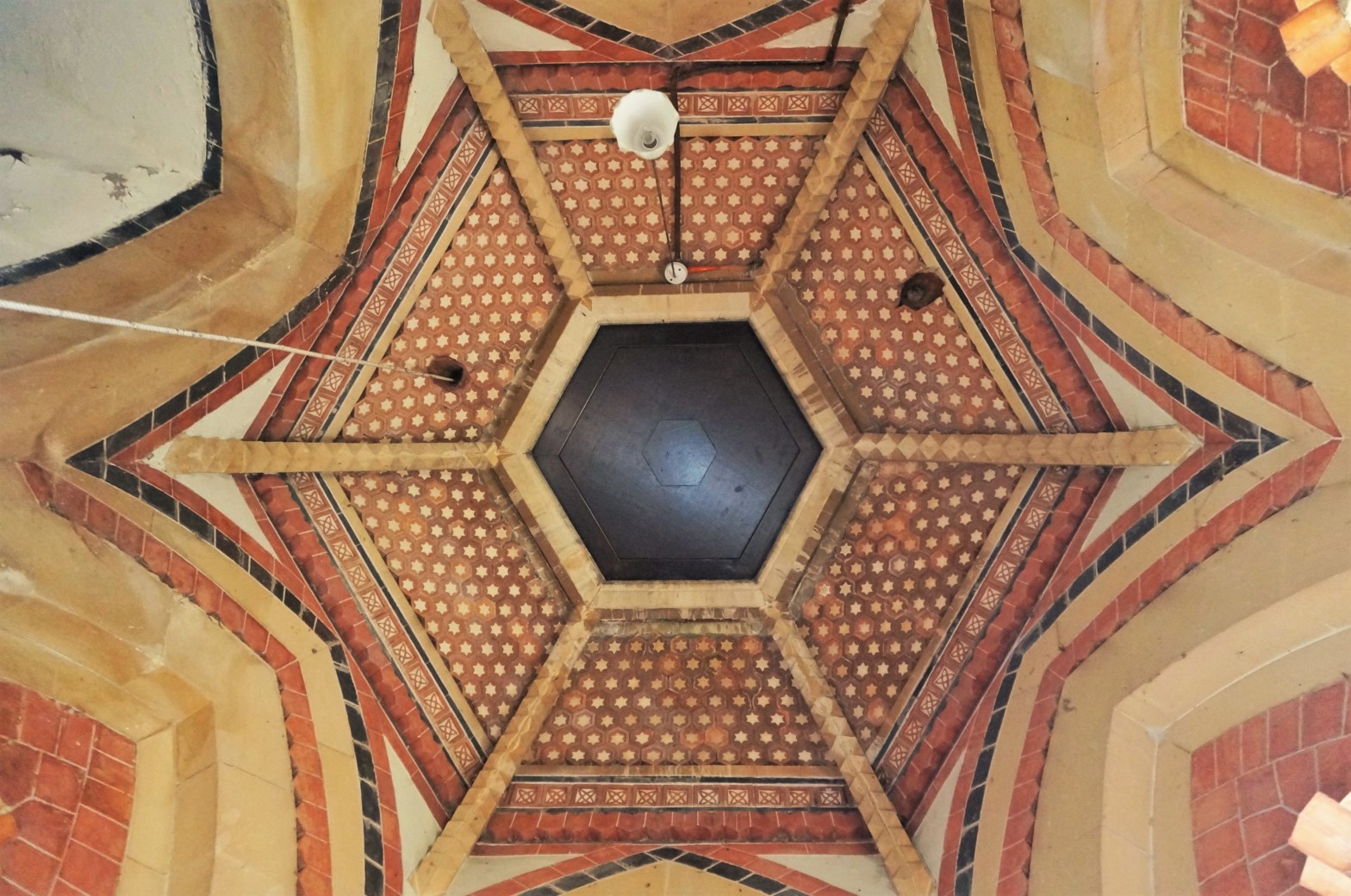
If one were to single out a figure who embodies all the tantalising yet exasperating complexities and lacunae of the byways of 19th century architecture, it might well be John Croft. Two works have come down to us which demonstrate an impressively fertile architectural imagination. Even by the standards of the 1860s – the high-waterContinue reading “John Croft: the most mysterious rogue of all?”
William Eden Nesfield (1835–1888)
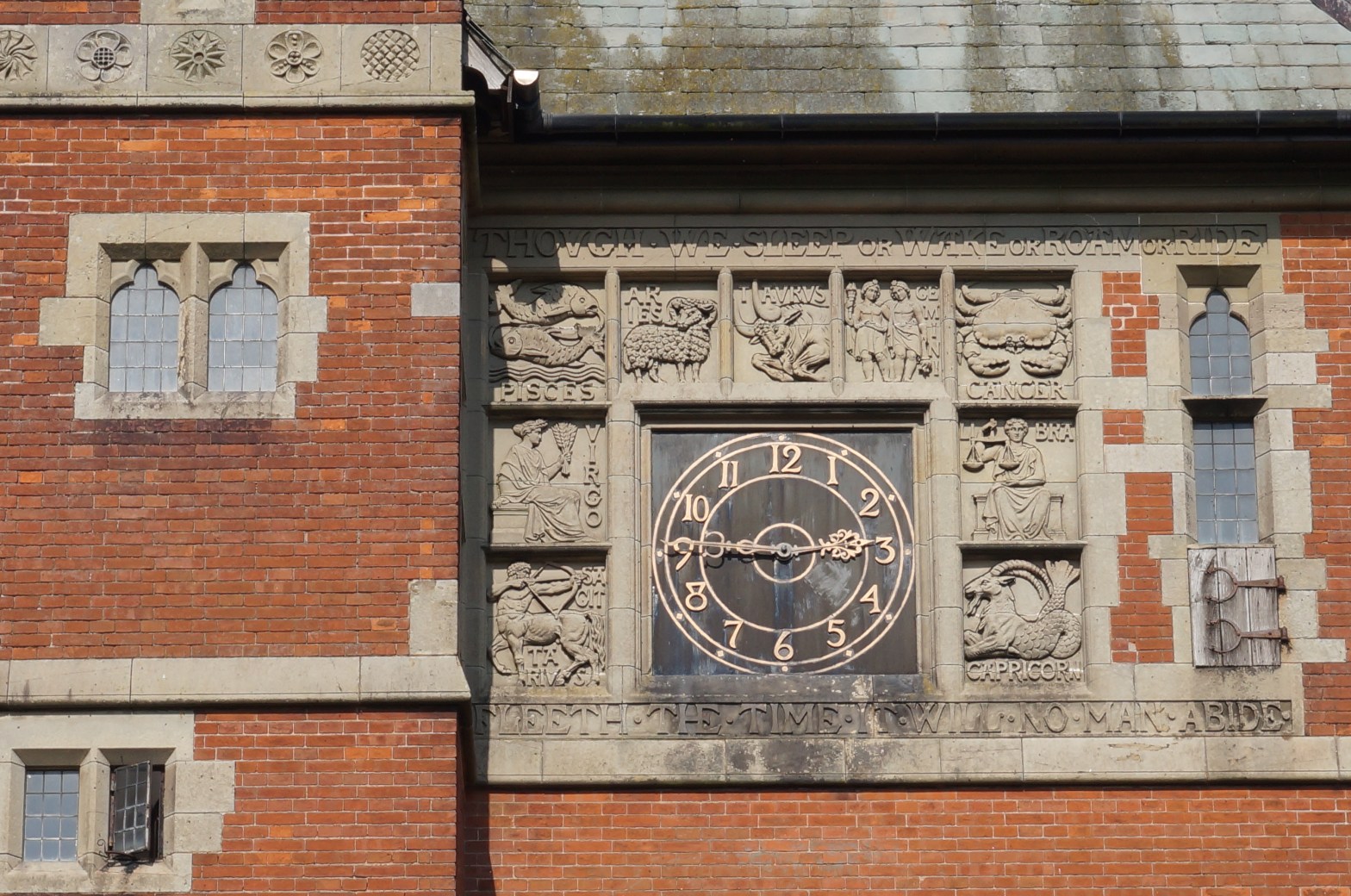
The subject of my first post is someone who, if not exactly obscure, nonetheless is very much a connoisseur’s architect. W. Eden Nesfield (as he tended to call himself) was born into an affluent old Durham family. His father, William Andrews Nesfield (1793-1881), was a veteran of the Peninsula War who subsequently became a waterContinue reading “William Eden Nesfield (1835–1888)”
 Less Eminent Victorians