
The roots of the Gothic Revival extend as far into literature as they do into archaeology. The endeavours of one of its key progenitors, Horace Walpole (1717-1797), to recreate the Middle Ages in brick, wood, plaster and stone through his remodelling of Strawberry Hill were inextricably bound up with his evocations of the Middle AgesContinue reading “The Gothic horrors of a Victorian worthy – Charles Buxton and Foxwarren”
Category Archives: Church Restoration
An obscure figure finally gets his due
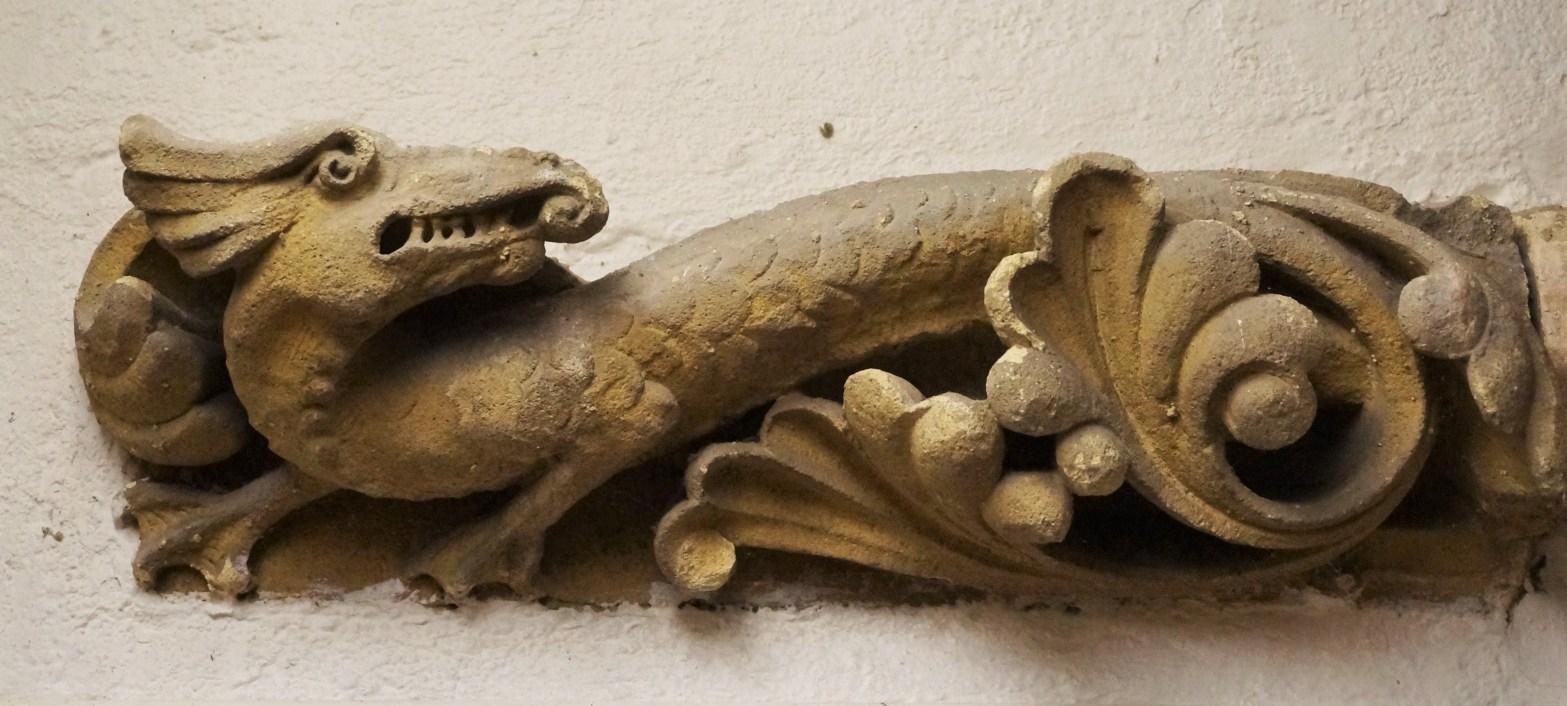
I am delighted to announce that I am the winner of this year’s annual Stephen Croad Essay Prize of the Ancient Monuments Society. My entry, ‘From Georgian antiquarian to Victorian rogue’, was an account of the life and work of the architect Edward Lushington Blackburne (1803-1888). It is, to the best of my knowledge, theContinue reading “An obscure figure finally gets his due”
French Architecture for Armchair Travellers – the éolienne Bollée and Clovis Normand
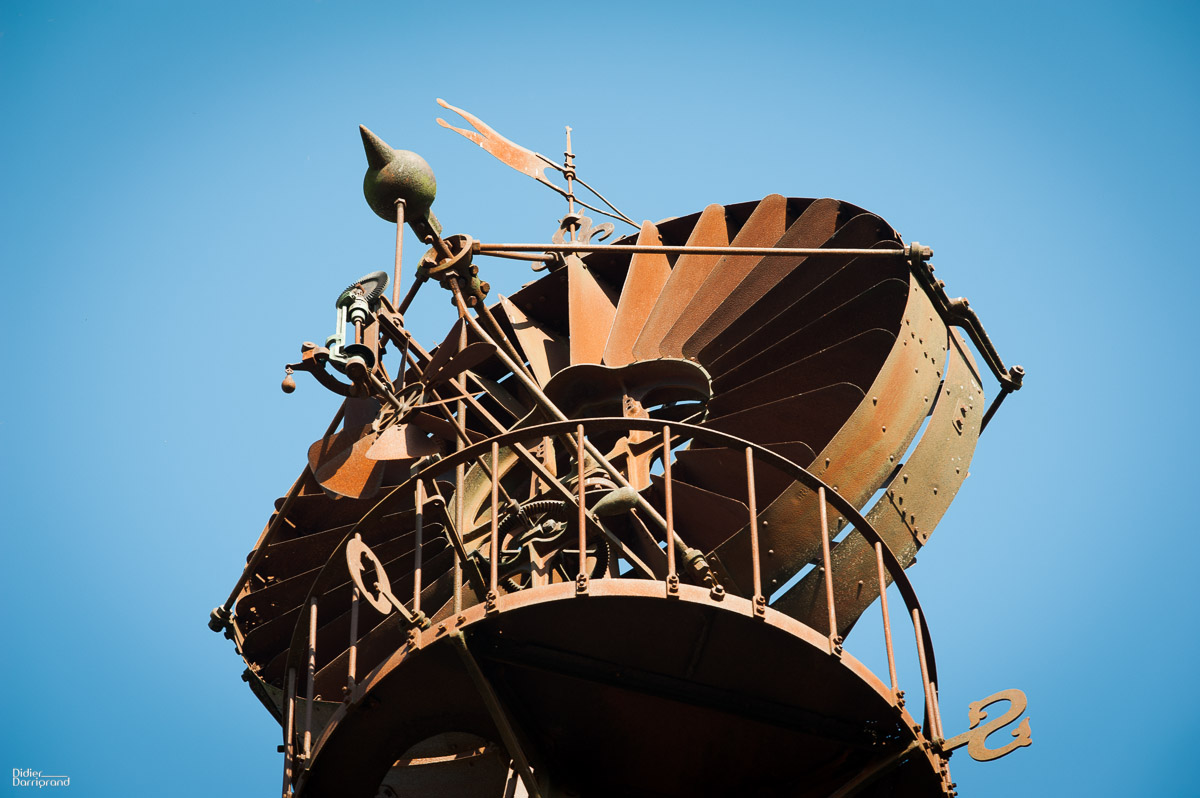
Tracing and unravelling all the routes by which France exerted an influence on Victorian architecture is such an enormous task that it would more than suffice to keep an architectural historian busy for the whole of an academic career. Some of the influence is very obvious, such as the enormous interest excited by the restorationContinue reading “French Architecture for Armchair Travellers – the éolienne Bollée and Clovis Normand”
Bristly, stripy and muscly – the architecture of Poundley and Walker
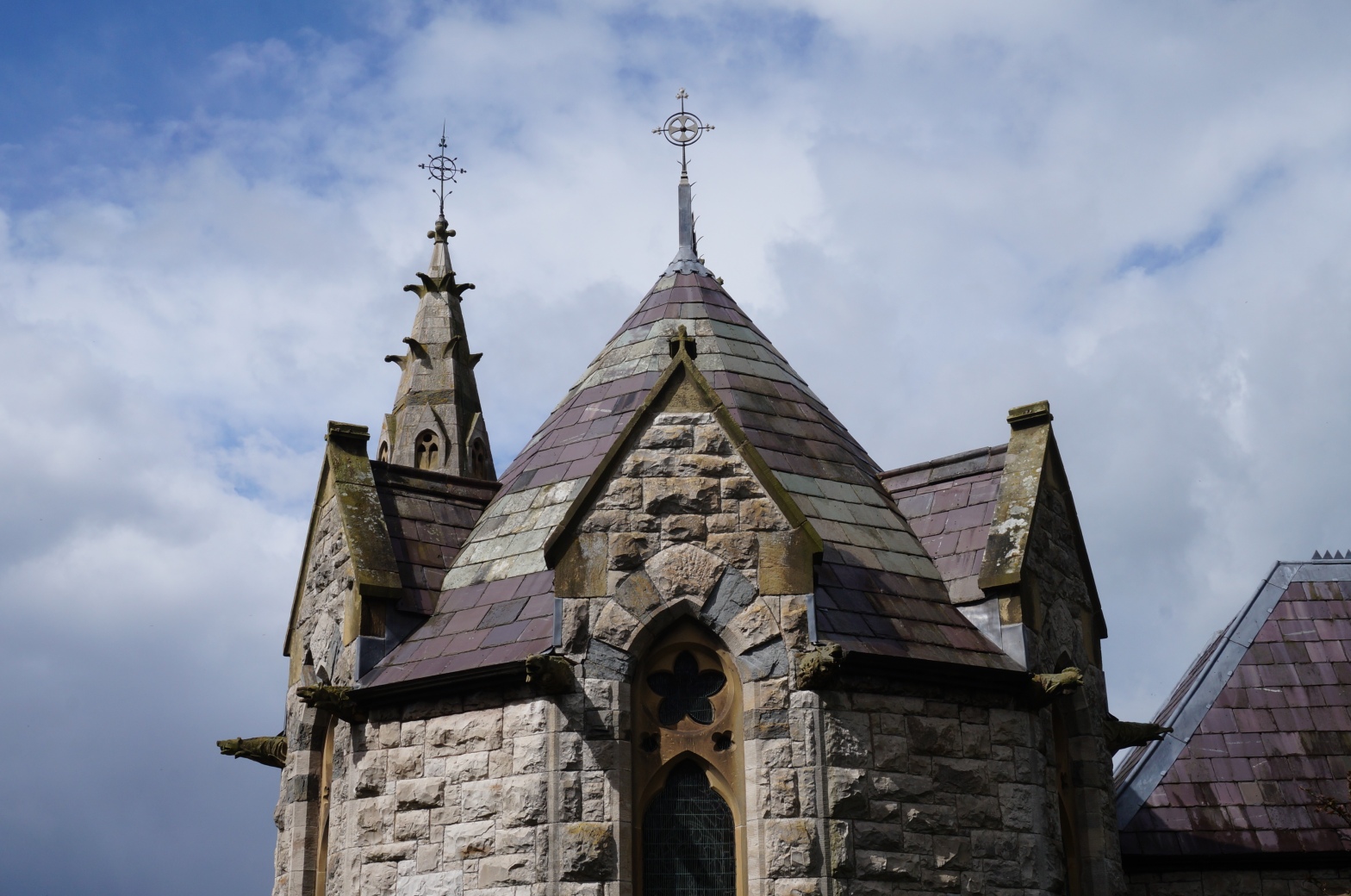
Several of the architects featured so far in this blog were, for all the distinctiveness of their architecture, specialists in a particular building type, be it churches, country houses or non-conformist chapels. Where 19th century architects were professionally more omnivorous, they tended to cut their stylistic cloth according to the commission. Though we think ofContinue reading “Bristly, stripy and muscly – the architecture of Poundley and Walker”
Multum in parvo – John Middleton and Llangynllo

There won’t be all that many posts on this blog devoted to individual buildings, but this one is so extraordinary that I have to make an exception. We first encountered Sir Thomas Lloyd (1820-1877) in connection with St Dogfael’s Church in Meline, featured in last week’s post on R.J. Withers. Though Gothic Revival, that isContinue reading “Multum in parvo – John Middleton and Llangynllo”
Amateur extravagance in the Welsh Marches

I have long fancied that one of the principal drivers of architectural development in Victorian England was boredom. Young men who had come into contact with the ideas of, say, Ruskin or the Tractarian Movement while up at Oxbridge or in the capital then found themselves out in the sticks on inheriting the family estateContinue reading “Amateur extravagance in the Welsh Marches”
A High Street extravaganza
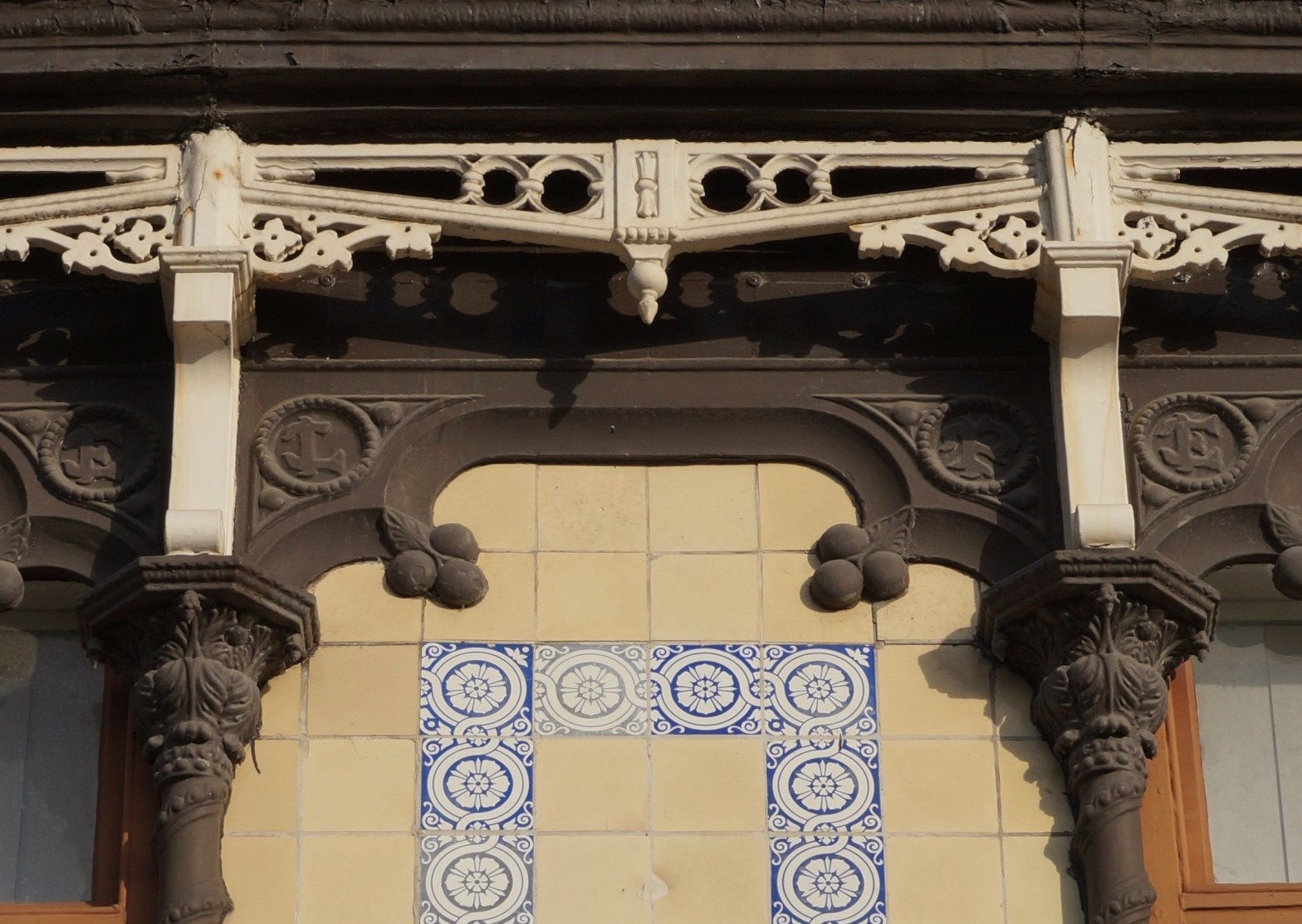
An awful lot of towns in the Home Counties were badly sinned against in the post-war years by planners, developers, traffic engineers and architects, but few quite as grievously as Maidstone. While I can’t feel too upset about the destruction visited on certain places, where there may well never have been anything terribly interesting, MaidstoneContinue reading “A High Street extravaganza”
A newly discovered work by George Gilbert Scott Junior

George Gilbert Scott Junior (1839-1897) is not an overlooked architect. At any rate, he shouldn’t be. He was recognised in his time as a hugely talented designer, yet never received his posthumous due for a number of reasons. One, inevitably, was that he was overshadowed by his more famous namesake father, but his breakdown, relativelyContinue reading “A newly discovered work by George Gilbert Scott Junior”
W. Eden Nesfield the church architect

In my first post on W. Eden Nesfield, I described country houses and associated domestic work as the mainstay of his practice. The Saffron Walden bank is his only commercial building – indeed, only one of a tiny handful of works in an urban setting – and he made few attempts to enter the crowdedContinue reading “W. Eden Nesfield the church architect”
John Croft: the most mysterious rogue of all?
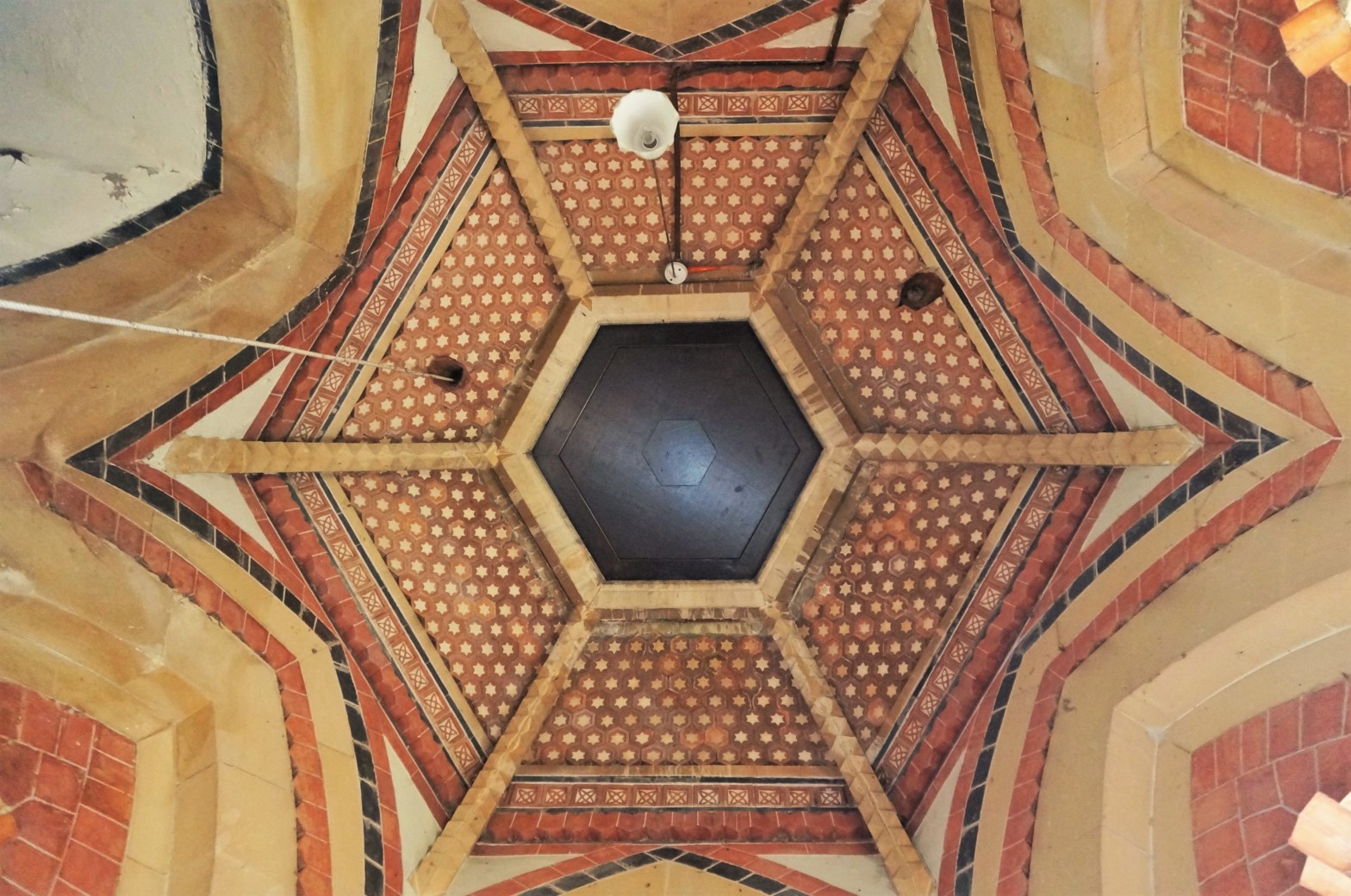
If one were to single out a figure who embodies all the tantalising yet exasperating complexities and lacunae of the byways of 19th century architecture, it might well be John Croft. Two works have come down to us which demonstrate an impressively fertile architectural imagination. Even by the standards of the 1860s – the high-waterContinue reading “John Croft: the most mysterious rogue of all?”
 Less Eminent Victorians