
There won’t be all that many posts on this blog devoted to individual buildings, but this one is so extraordinary that I have to make an exception. We first encountered Sir Thomas Lloyd (1820-1877) in connection with St Dogfael’s Church in Meline, featured in last week’s post on R.J. Withers. Though Gothic Revival, that isContinue reading “Multum in parvo – John Middleton and Llangynllo”
Tag Archives: High Victorian
Quality in obscurity: the surprising career of R.J. Withers
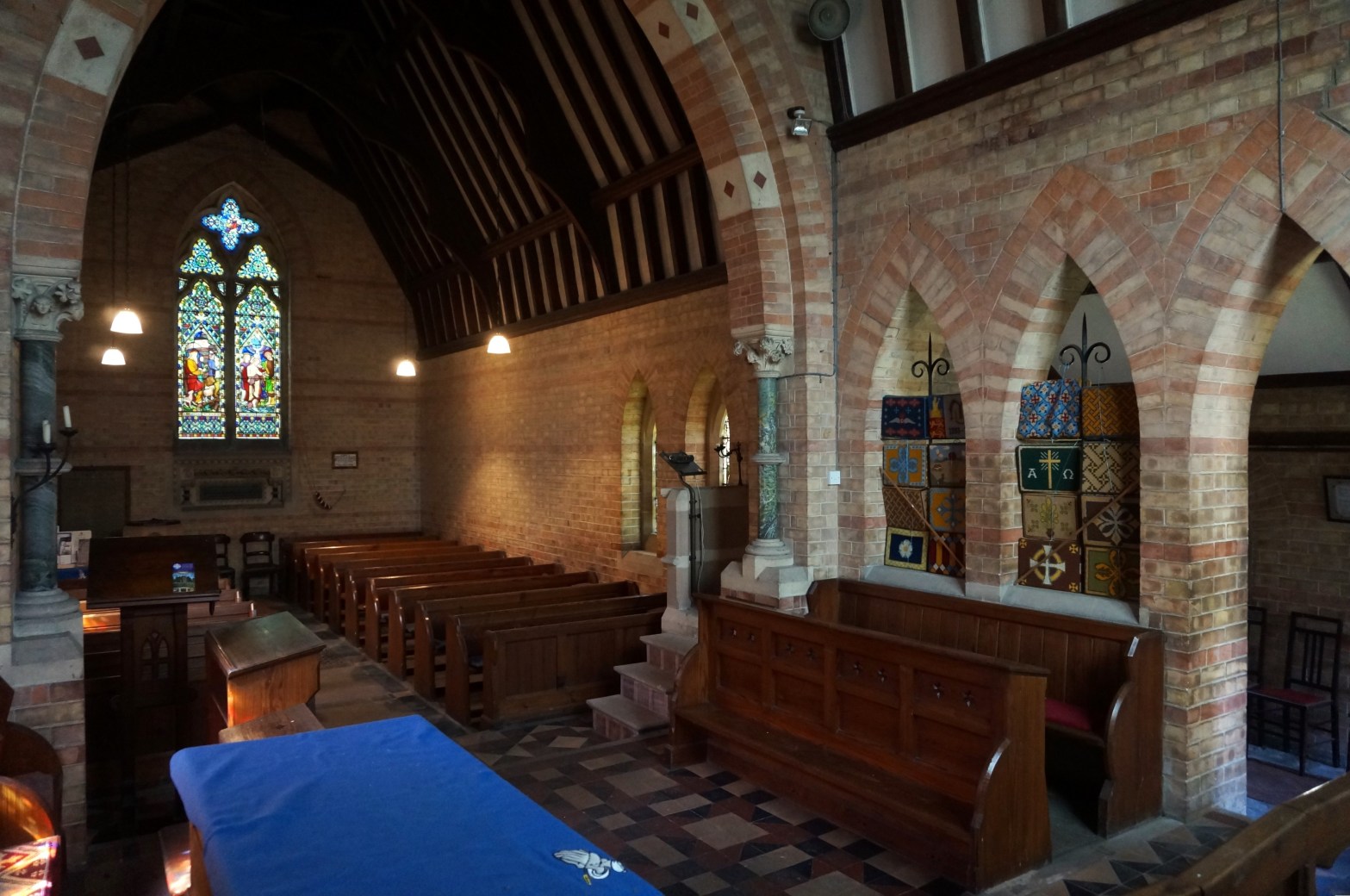
The subject of today’s post is the sort of architect whose biography explains at a quick glance why he has been largely overlooked by architectural historians. My hope is that a quick glance at his delightful and engaging work will be enough to show why that neglect is undeserved. Robert Jewell Withers (1824-1894) built noContinue reading “Quality in obscurity: the surprising career of R.J. Withers”
A Celtic nation of shopkeepers
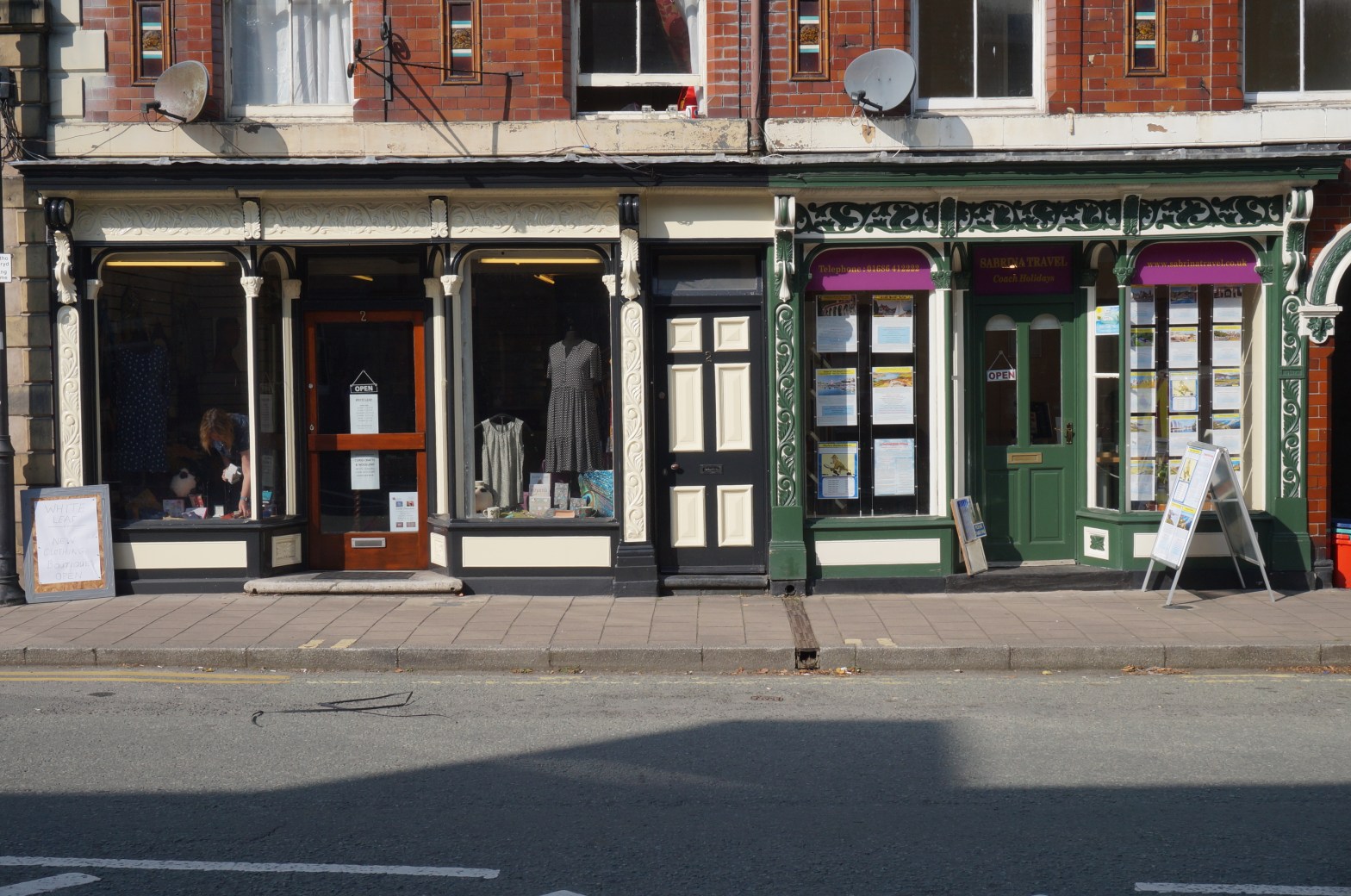
A few weeks ago I wrote about Llanidloes in central Wales (formerly in Montgomeryshire, now in Powys) and featured the splendid nonconformist chapels that are such a prominent feature of its townscape. I now want to turn my attention to another building type that does a great deal to define the character of the placeContinue reading “A Celtic nation of shopkeepers”
John Croft: the most mysterious rogue of all?
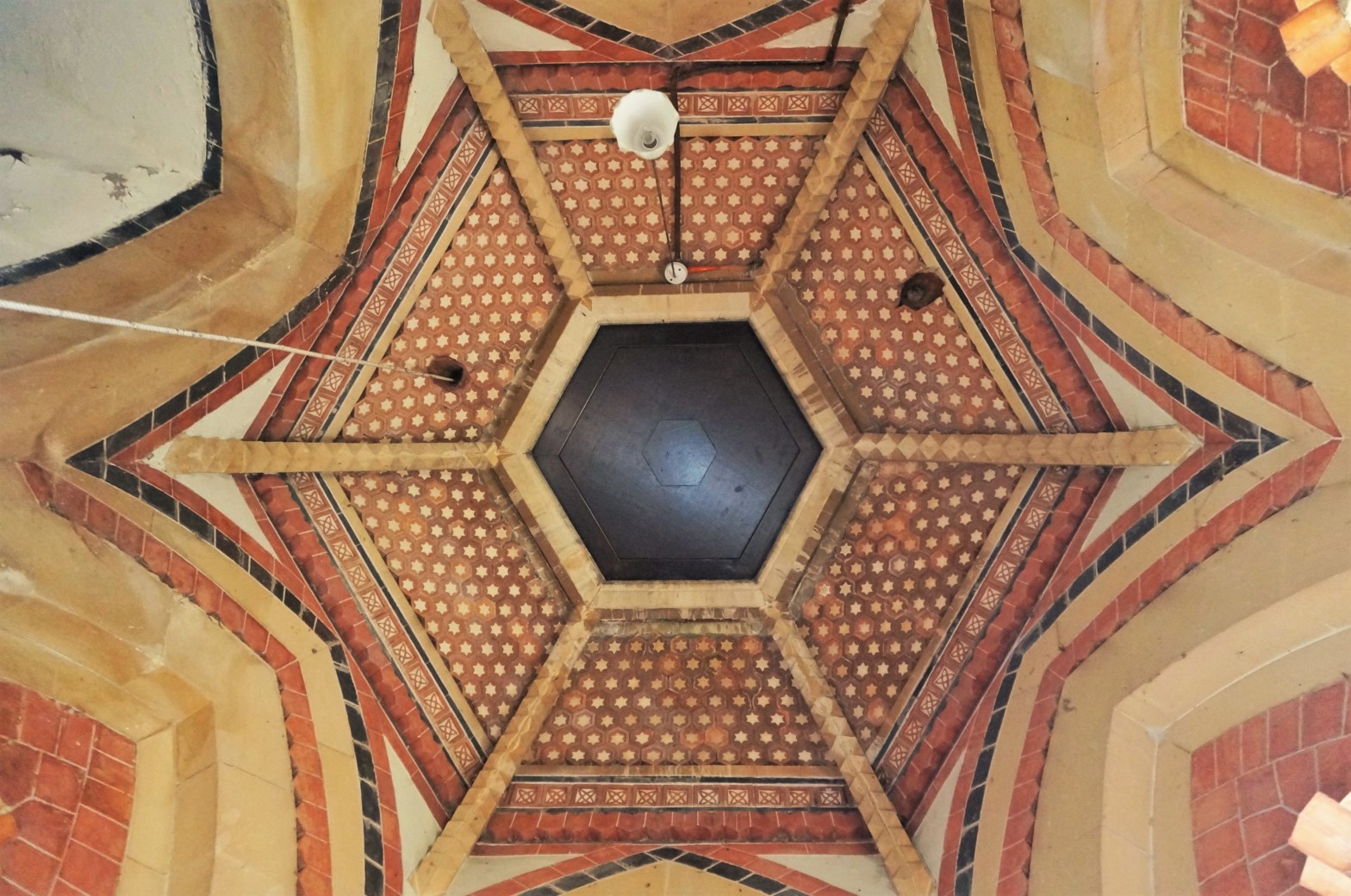
If one were to single out a figure who embodies all the tantalising yet exasperating complexities and lacunae of the byways of 19th century architecture, it might well be John Croft. Two works have come down to us which demonstrate an impressively fertile architectural imagination. Even by the standards of the 1860s – the high-waterContinue reading “John Croft: the most mysterious rogue of all?”
 Less Eminent Victorians