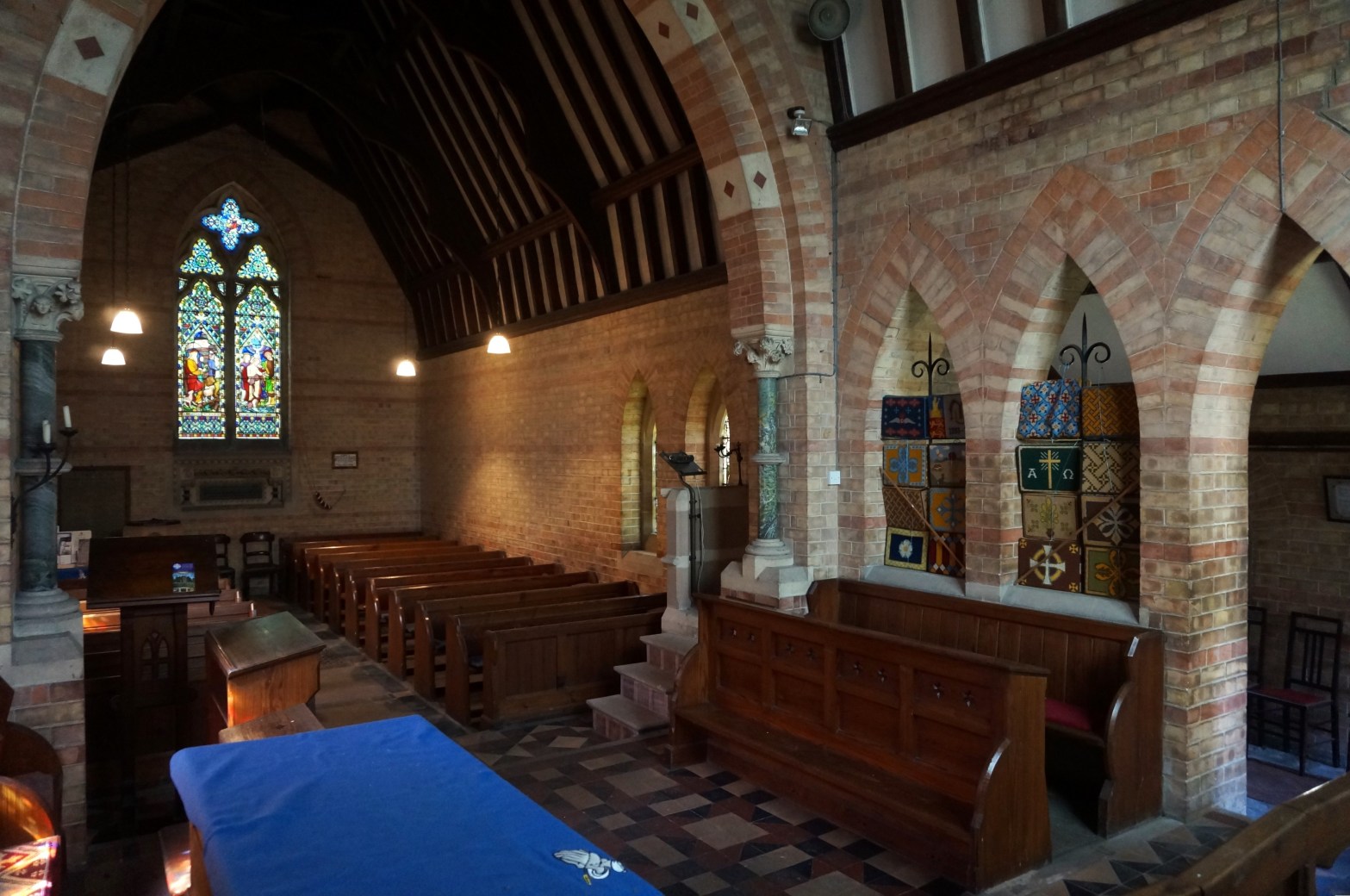
The subject of today’s post is the sort of architect whose biography explains at a quick glance why he has been largely overlooked by architectural historians. My hope is that a quick glance at his delightful and engaging work will be enough to show why that neglect is undeserved. Robert Jewell Withers (1824-1894) built noContinue reading “Quality in obscurity: the surprising career of R.J. Withers”
Tag Archives: Tiles
A Celtic nation of shopkeepers
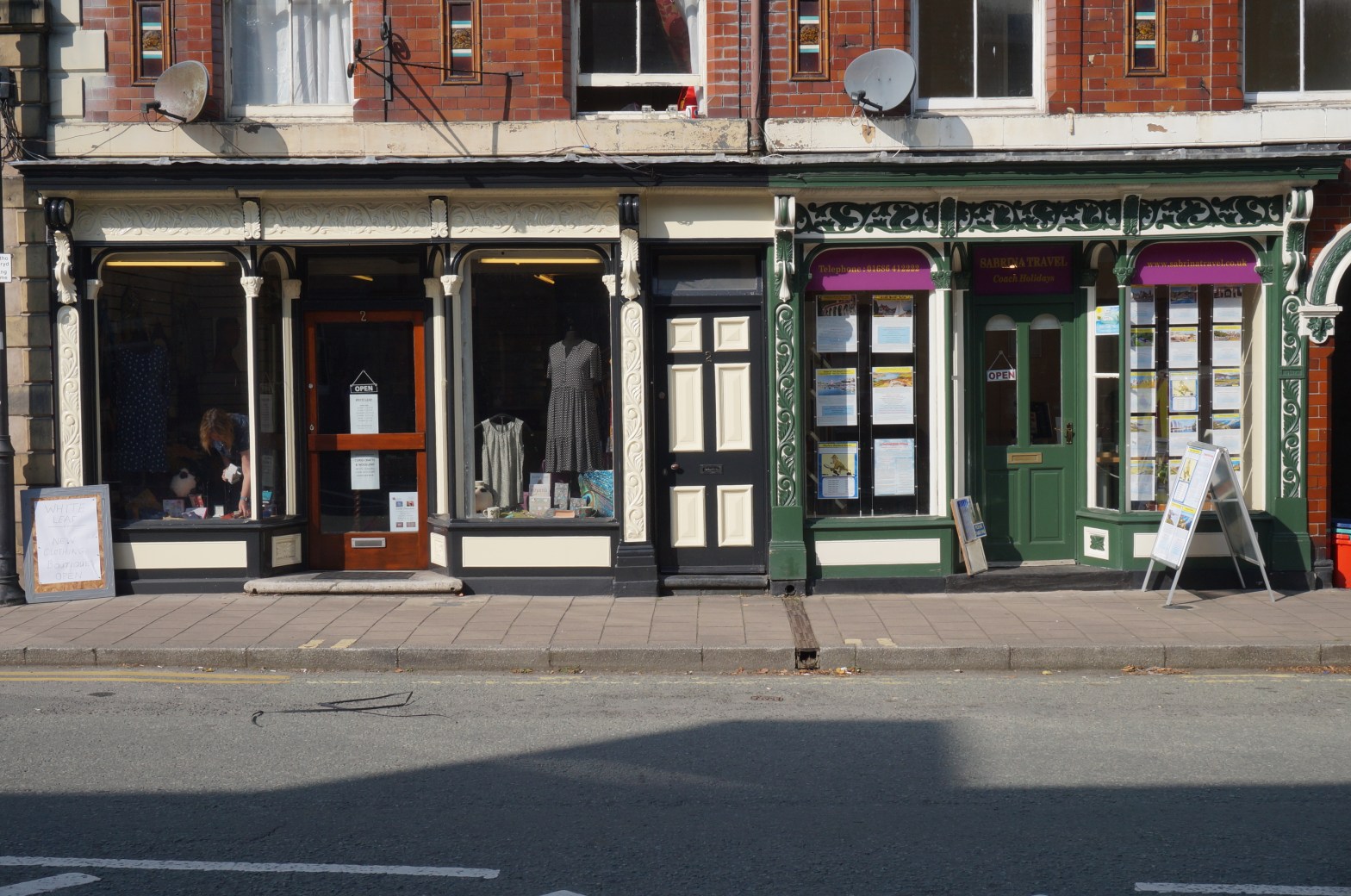
A few weeks ago I wrote about Llanidloes in central Wales (formerly in Montgomeryshire, now in Powys) and featured the splendid nonconformist chapels that are such a prominent feature of its townscape. I now want to turn my attention to another building type that does a great deal to define the character of the placeContinue reading “A Celtic nation of shopkeepers”
Fabulous folk art in Leeds (no, not that one)

Fascinating though Victorian ecclesiastical heritage can be, I’m concerned that this blog shouldn’t get too church-heavy, so here is something completely different – a building that is every bit as colourful and exuberant as architecture already featured here, but apparently off everyone’s radar. Leeds Castle is one of Kent’s big tourist attractions – or atContinue reading “Fabulous folk art in Leeds (no, not that one)”
A newly discovered work by George Gilbert Scott Junior

George Gilbert Scott Junior (1839-1897) is not an overlooked architect. At any rate, he shouldn’t be. He was recognised in his time as a hugely talented designer, yet never received his posthumous due for a number of reasons. One, inevitably, was that he was overshadowed by his more famous namesake father, but his breakdown, relativelyContinue reading “A newly discovered work by George Gilbert Scott Junior”
 Less Eminent Victorians