
Thomas Henry Wyatt (1807-1880) and David Brandon (1813-1897) have a reputation of being among the also-rans of Victorian architecture. In the earlier part of their careers, the two architects had a professional partnership which lasted from 1838 until 1851, whereupon they went their separate ways. They were commercially successful, taking on the full range ofContinue reading “A glimpse of Arcadia in Central Wales”
Category Archives: Rural church
Amateur extravagance in the Welsh Marches

I have long fancied that one of the principal drivers of architectural development in Victorian England was boredom. Young men who had come into contact with the ideas of, say, Ruskin or the Tractarian Movement while up at Oxbridge or in the capital then found themselves out in the sticks on inheriting the family estateContinue reading “Amateur extravagance in the Welsh Marches”
A newly discovered work by George Gilbert Scott Junior

George Gilbert Scott Junior (1839-1897) is not an overlooked architect. At any rate, he shouldn’t be. He was recognised in his time as a hugely talented designer, yet never received his posthumous due for a number of reasons. One, inevitably, was that he was overshadowed by his more famous namesake father, but his breakdown, relativelyContinue reading “A newly discovered work by George Gilbert Scott Junior”
W. Eden Nesfield the church architect

In my first post on W. Eden Nesfield, I described country houses and associated domestic work as the mainstay of his practice. The Saffron Walden bank is his only commercial building – indeed, only one of a tiny handful of works in an urban setting – and he made few attempts to enter the crowdedContinue reading “W. Eden Nesfield the church architect”
John Croft: the most mysterious rogue of all?
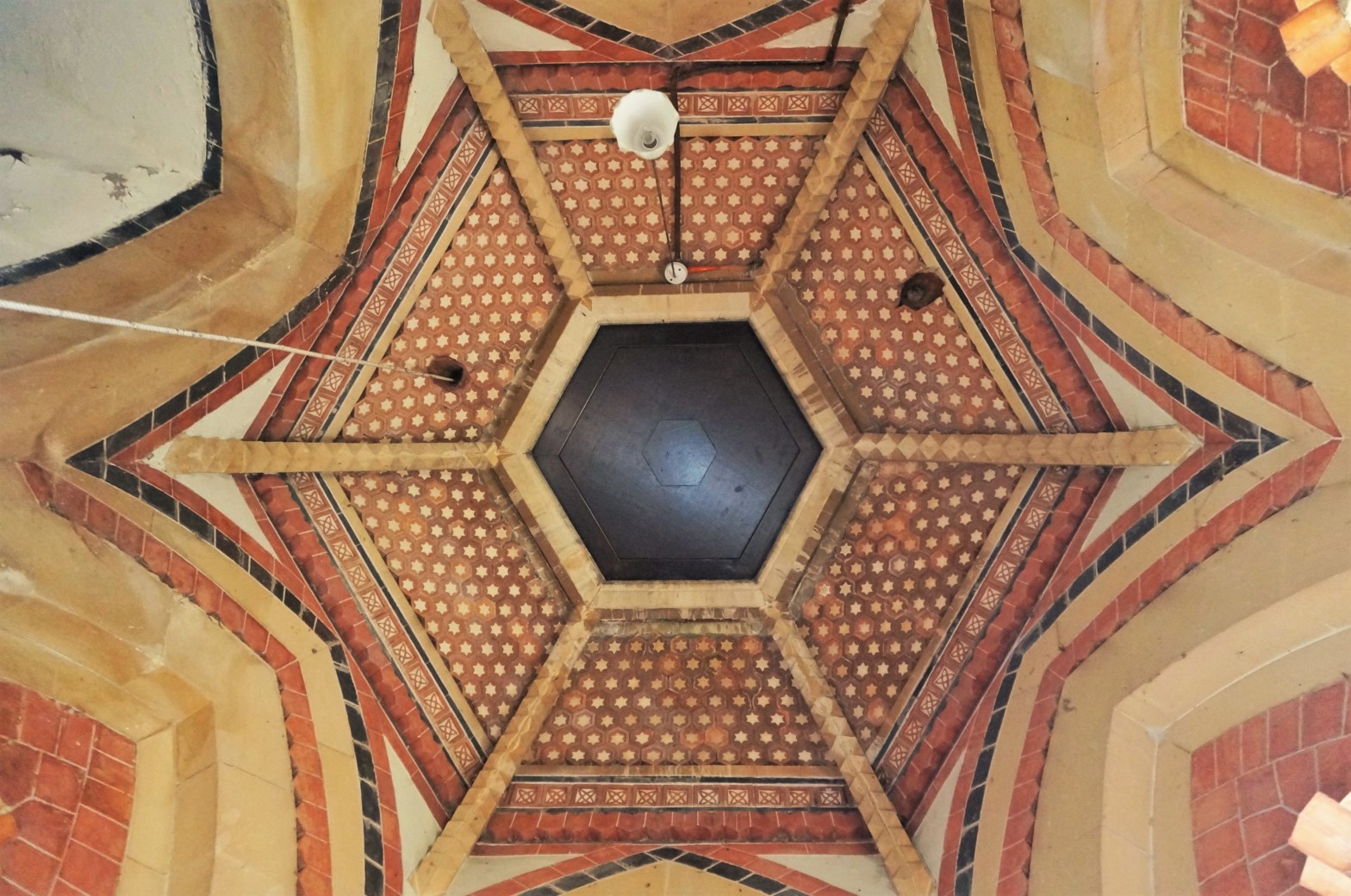
If one were to single out a figure who embodies all the tantalising yet exasperating complexities and lacunae of the byways of 19th century architecture, it might well be John Croft. Two works have come down to us which demonstrate an impressively fertile architectural imagination. Even by the standards of the 1860s – the high-waterContinue reading “John Croft: the most mysterious rogue of all?”
 Less Eminent Victorians